CO₂ Laser Resurfacing

CO₂ Laser
Patients often ask: what is the best overall skin rejuvenation treatment? One that can address wrinkles, blemishes and skin laxity - a treatment that makes your skin look younger, healthier and refreshed.
Laser technology has advanced significantly since it was first developed in the 1970s. Today, there are multiple devices that use different types of lasers, with the most popular being Nd:YAG, Erbium, Alexandrite, CO₂ lasers, and more recently IPL (Intense Pulsed Light). Each technology has been designed with specific characteristics to improve skin quality and reduce different types of skin imperfections.
But which laser technology is considered the most effective? Several scientific publications suggest that the fractional CO₂ laser is one of the most effective treatments for skin rejuvenation. It can smooth the skin, even out skin tone, improve texture, and reduce wrinkles and blemishes. For this reason, it is widely considered the “Gold Standard” for skin rejuvenation treatments.
The fractional CO₂ laser improves the overall quality of the skin, unlike a surgical facelift which mainly pulls and removes excess skin and can sometimes result in an obvious or “operated” appearance.
The treatment works by creating controlled microscopic columns in the skin, stimulating the body’s natural healing response. This process encourages the production of new collagen and elastin, helping to restore firmness, improve skin texture, and reduce visible signs of ageing over time.
By improving the skin from within, fractional CO₂ laser treatment helps the skin appear naturally smoother, healthier and more youthful.
Key benefits of CO2 laser treatment:
Natural, healthy-looking skin
Fresher and smoother skin
Reduced pore size
Improvement of superficial wrinkles that cannot be treated with botulinum toxin
More even skin tone and colour
Brighter, more radiant skin
Thickening of thinning, ageing skin
Improvement of acne scars and blemishes
Reduction in redness and improvement in rosacea
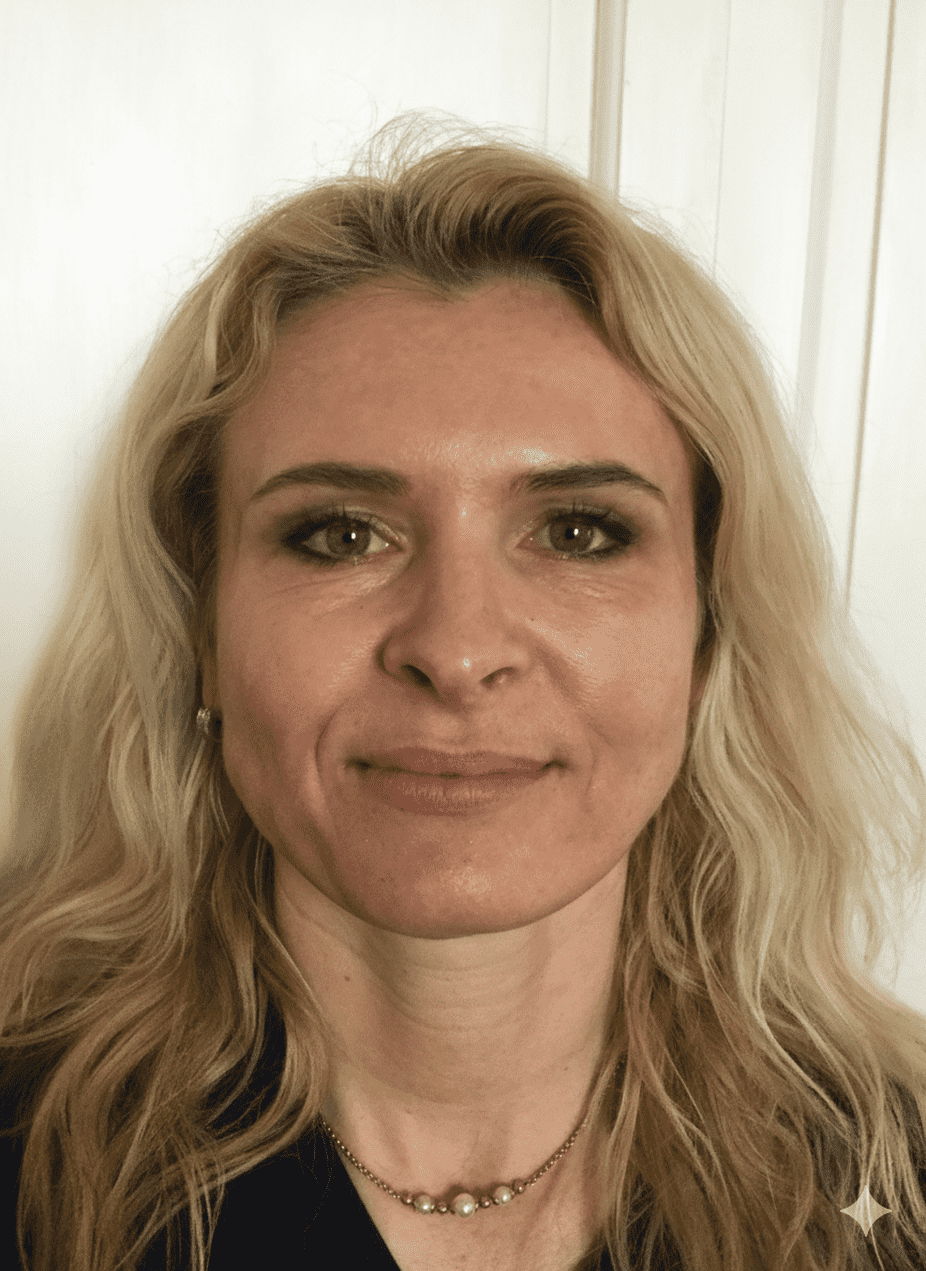
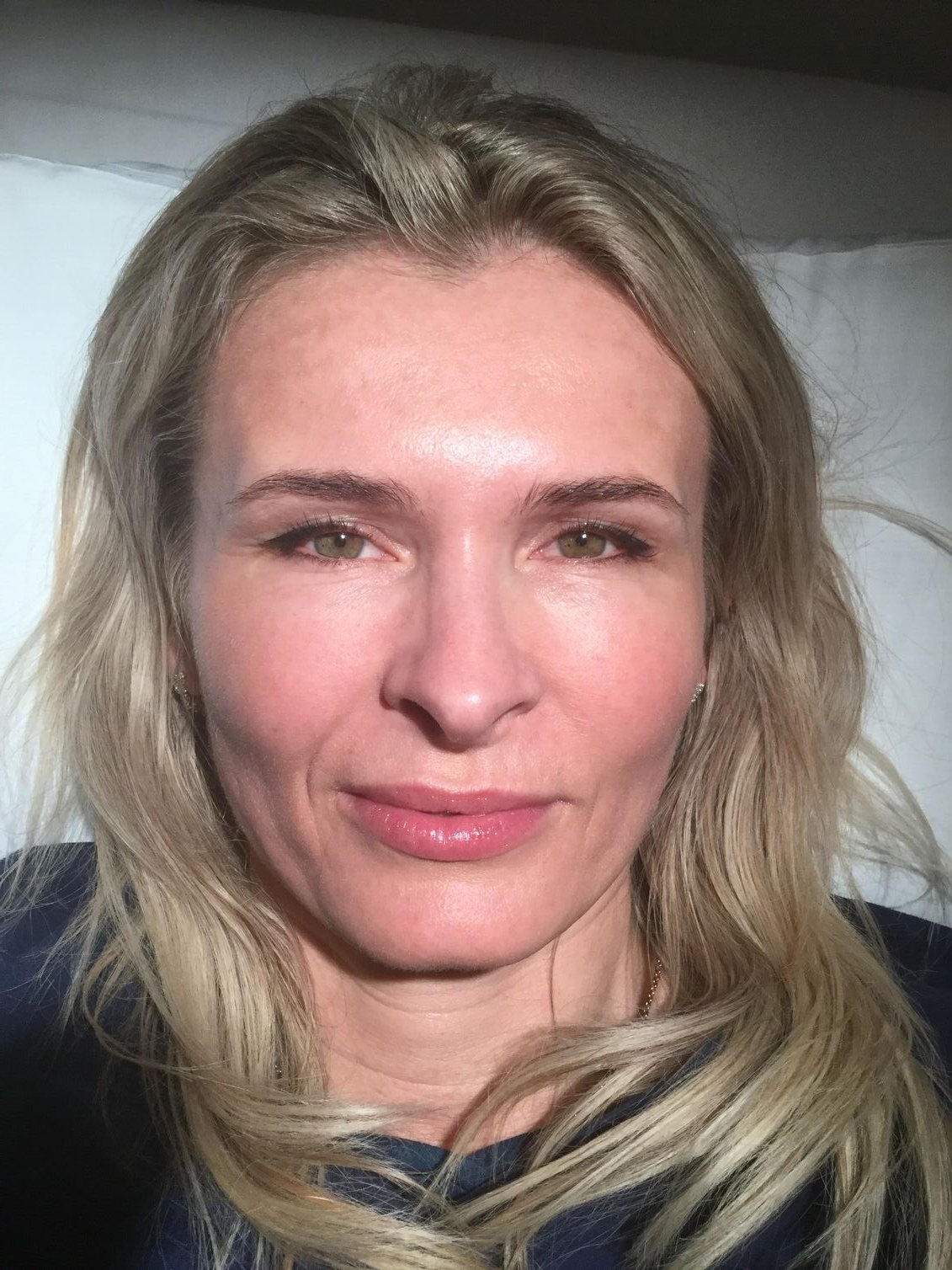
CO₂ laser resurfacing can significantly improve the quality of the skin, reducing visible signs of ageing and damage. The treatment works by stimulating new collagen formation, which continues to improve the skin’s appearance for several months following the procedure.
Many patients choose fractional CO₂ laser resurfacing because it delivers noticeable skin renewal while maintaining a manageable recovery period. Results typically include smoother skin, improved tone, and a more refreshed appearance.
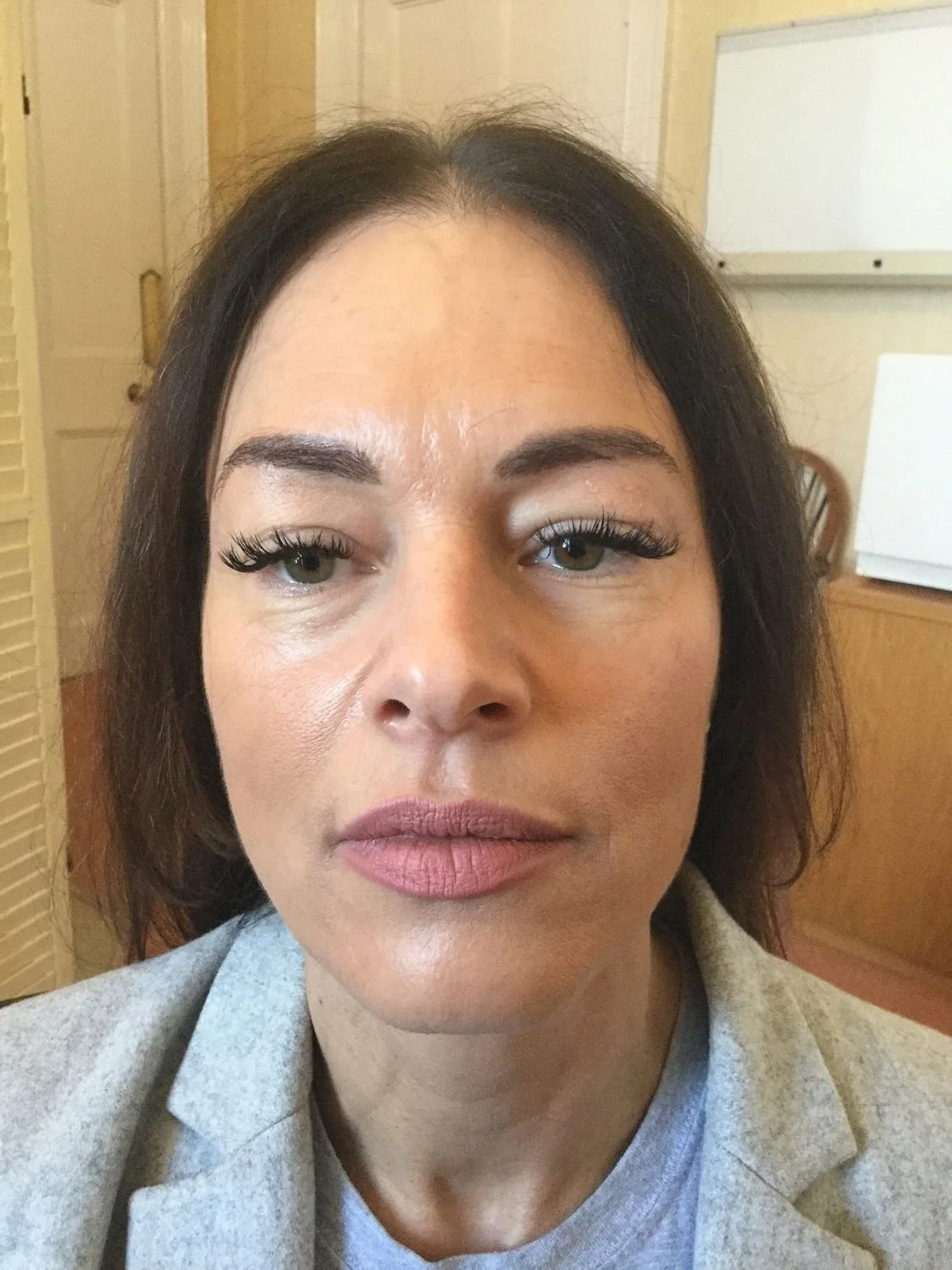
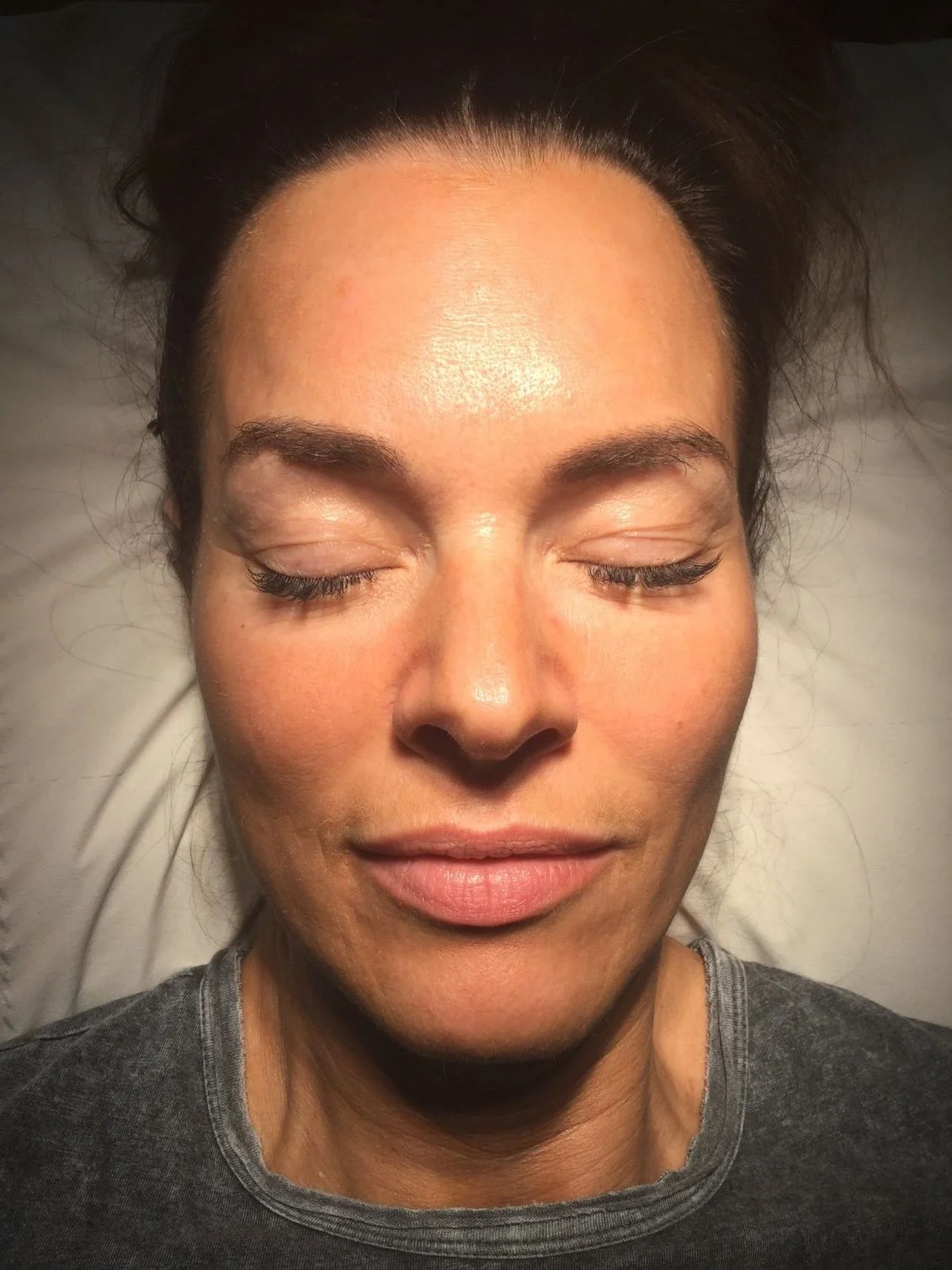
The fractional CO₂ laser improves the overall quality of the skin, unlike a surgical facelift which mainly pulls and removes excess skin and can sometimes result in an obvious or “operated” appearance.
The laser works by delivering tiny, precise laser beams in a grid pattern across the skin. These high-speed pulses are applied with carefully controlled settings, allowing the treatment to reach deeper skin layers while keeping the surrounding tissue safe.
The treated areas appear as small microscopic dots, surrounded by untreated skin. This is the initial stage of the procedure and is followed by a short downtime period, usually lasting 2 to 5 days. During this time, the skin may appear inflamed, with redness, swelling and warmth, and may look slightly blotchy due to the laser application. This is a normal part of the healing process and is known as the downtime phase.
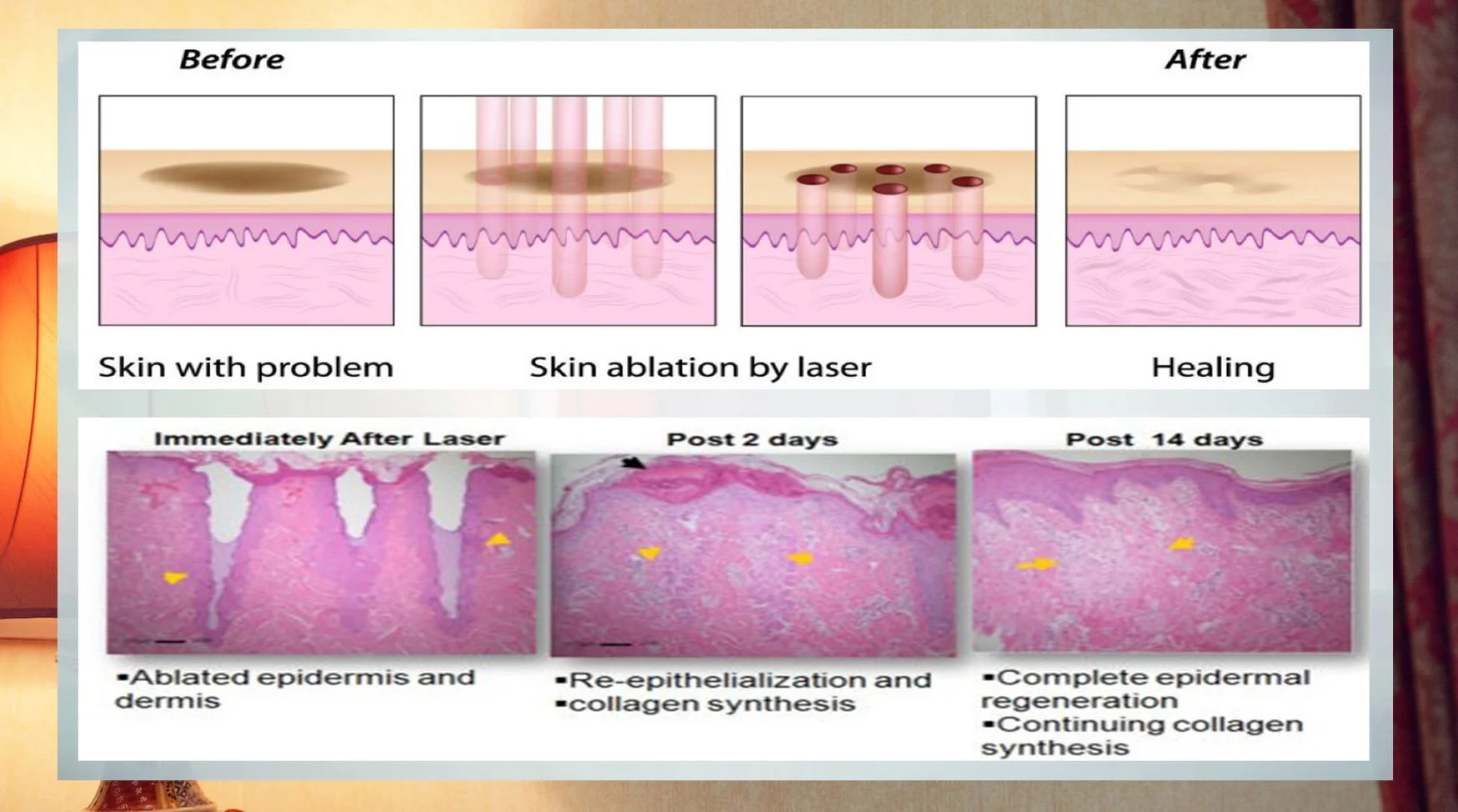
HOW IT WORKS
There is temporary discomfort due to inflammation, which may feel like a mild sunburn, and there is usually no need to take any painkillers. This temporary discomfort is compensated by the incredible anti-ageing effects the treatment provides for the skin.
The treated skin requires special care, and following the doctor’s recommendations is crucial for a quick recovery. All of this is explained in our aftercare leaflet, so there is no need to worry.
Once the downtime phase ends, the pre-existing protein structures within the skin begin to clot and collapse, producing contraction and triggering the start of a natural recovery process that stimulates the production of new collagen and elastin fibres. This process takes place during the first month after treatment, which is why we call it the “regeneration phase.”
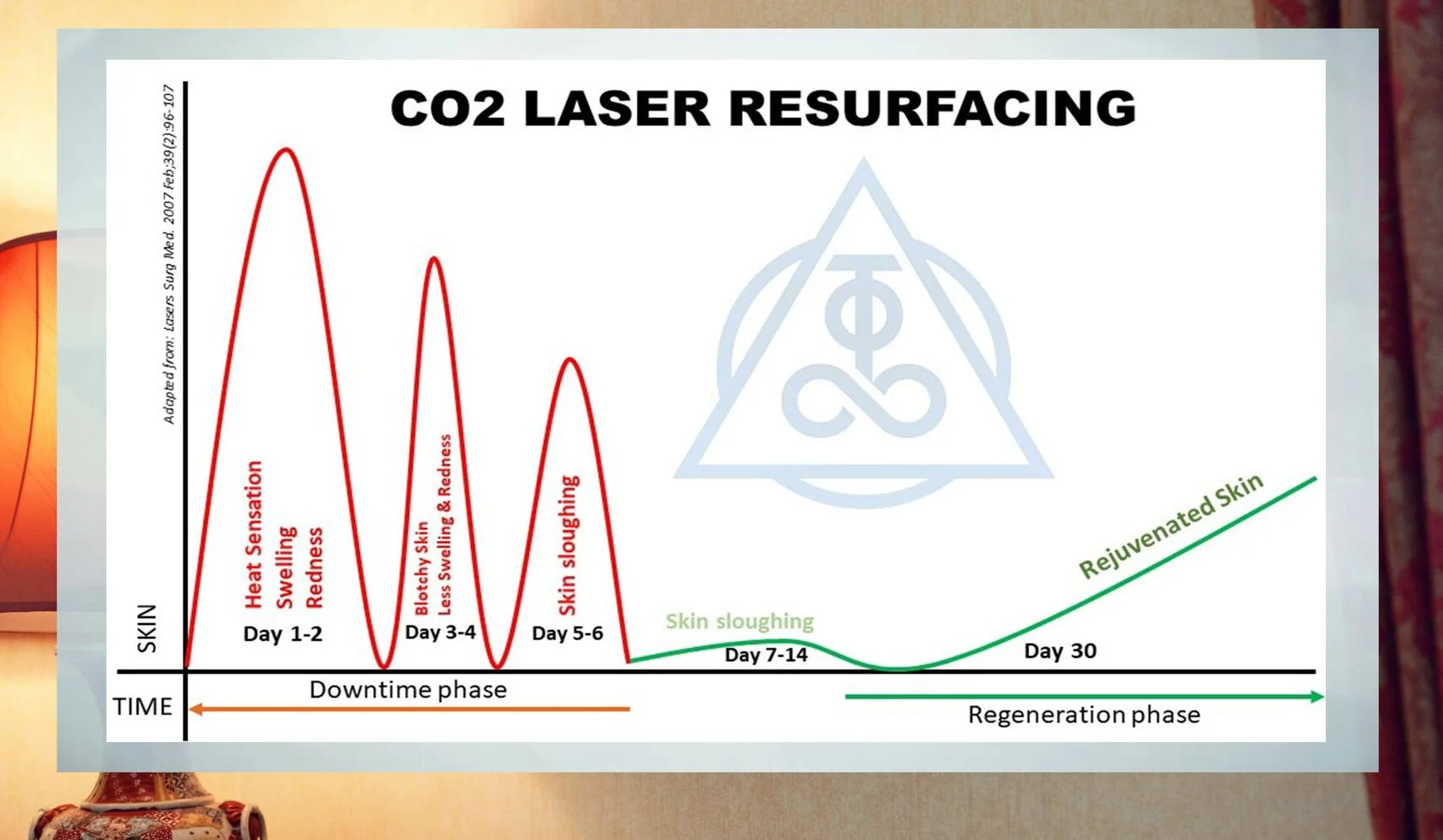
PHASES AND timing
Immediately after the treatment, the “downtime phase” begins, which lasts 2 to 5 days. During this time, the skin is delicate and you will need to take excellent care of it to achieve the best possible results.
Once the downtime phase has ended and the skin sloughing has finished, you will enter the “regeneration phase,” during which the skin begins to produce new collagen and continues to heal over the first month.
Collagen production continues beyond the first month, with the most noticeable results appearing after the second month — this is when you really begin to see the full results of the treatment.

HOW IT LOOKS
The overall process of skin rejuvenation can vary from person to person due to individual characteristics such as age, genetic background, lifestyle, stress levels, smoking habits, diet and exercise. For this reason, exact results cannot be guaranteed, as every patient’s skin responds differently to treatment.
Immediately after CO₂ laser treatment, the skin usually appears red and warm, similar to a moderate sunburn. Mild swelling and sensitivity are also common during the first few hours. This is a normal response as the skin begins its natural healing and regeneration process.
During the first 24-48 hours, redness may remain visible and the treated areas may feel slightly tight or sensitive. As the skin begins to recover, small microscopic dots and mild dryness can appear as part of the natural skin renewal process.
Over the following days, the skin gradually starts to regenerate. Redness begins to subside, the texture becomes smoother, and the complexion starts to look brighter and more even. As new collagen and elastin are produced within the deeper layers of the skin, improvements in skin tone, firmness and overall quality continue to develop.
Although individual results vary, laser resurfacing treatments have consistently shown visible improvements in treated patients, helping to smooth the skin, refine texture and restore a healthier, more youthful appearance.
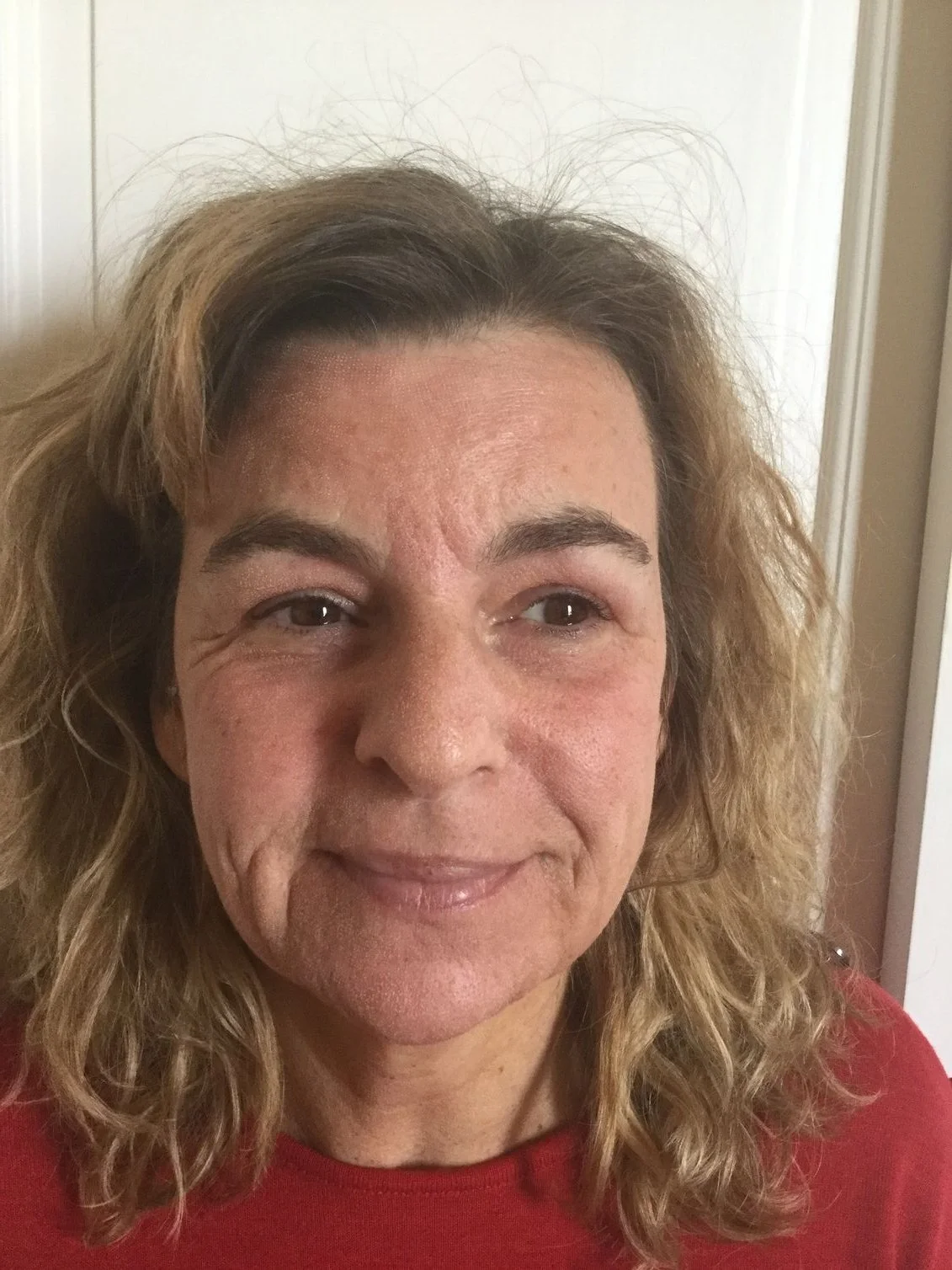
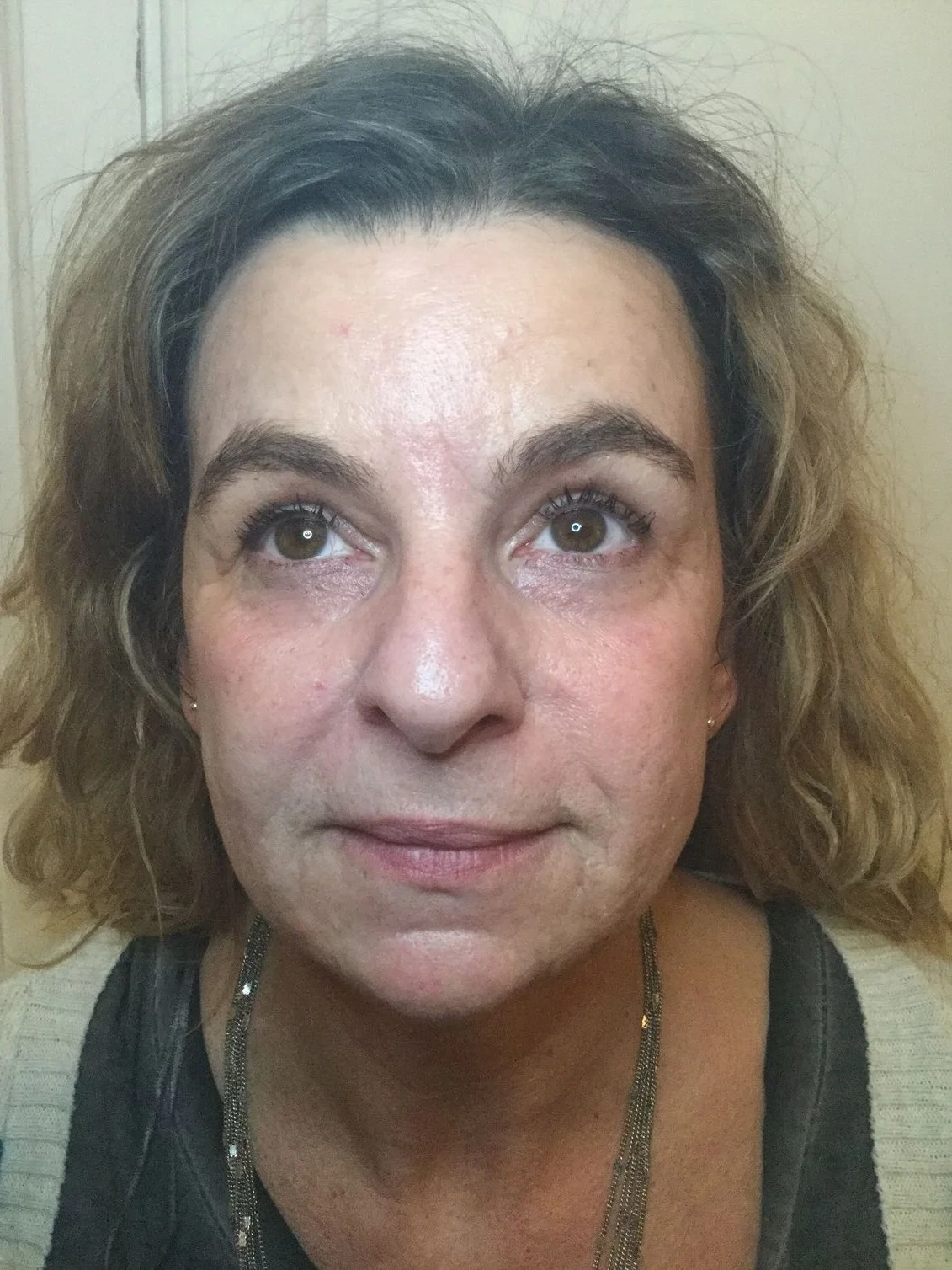
The results are usually clearly visible after the first month following the treatment, as the regeneration phase allows the treated skin to recover and improve. By the second month, patients often notice a clearer reduction in blemishes, improvement in skin quality (colour and texture), reduced pore size, and improvement in acne scars. The overall result is younger-looking and healthier-looking skin.
The key benefits of CO₂ laser treatment after just one session include natural and healthy-looking skin, fresher and smoother skin, reduced pore size, improvement of superficial wrinkles that cannot be treated with botulinum toxin, more even skin tone, brighter and more radiant skin, thickening of thinning ageing skin, improvement of acne scars and spots, and reduced redness with improvement in rosacea.
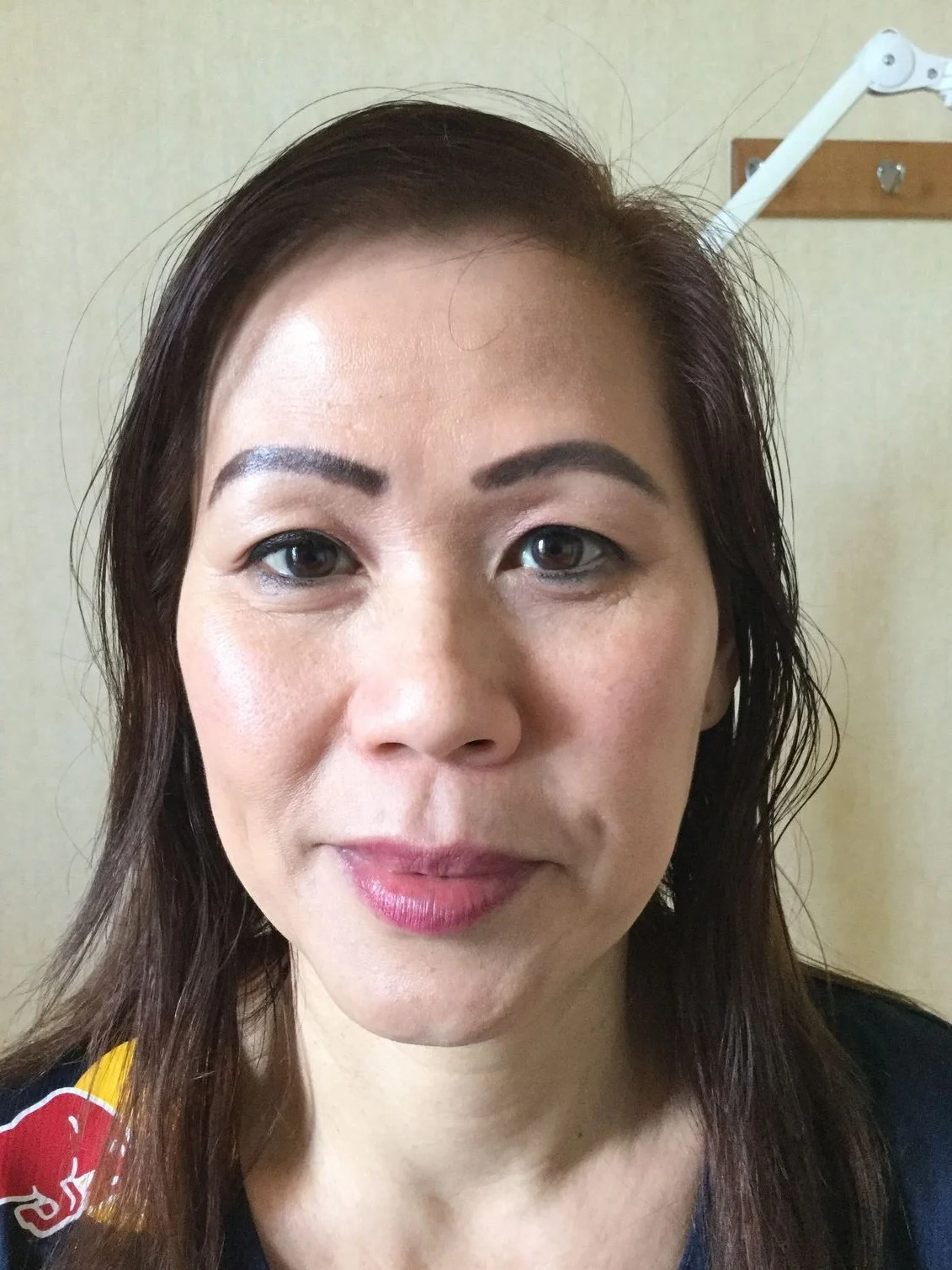
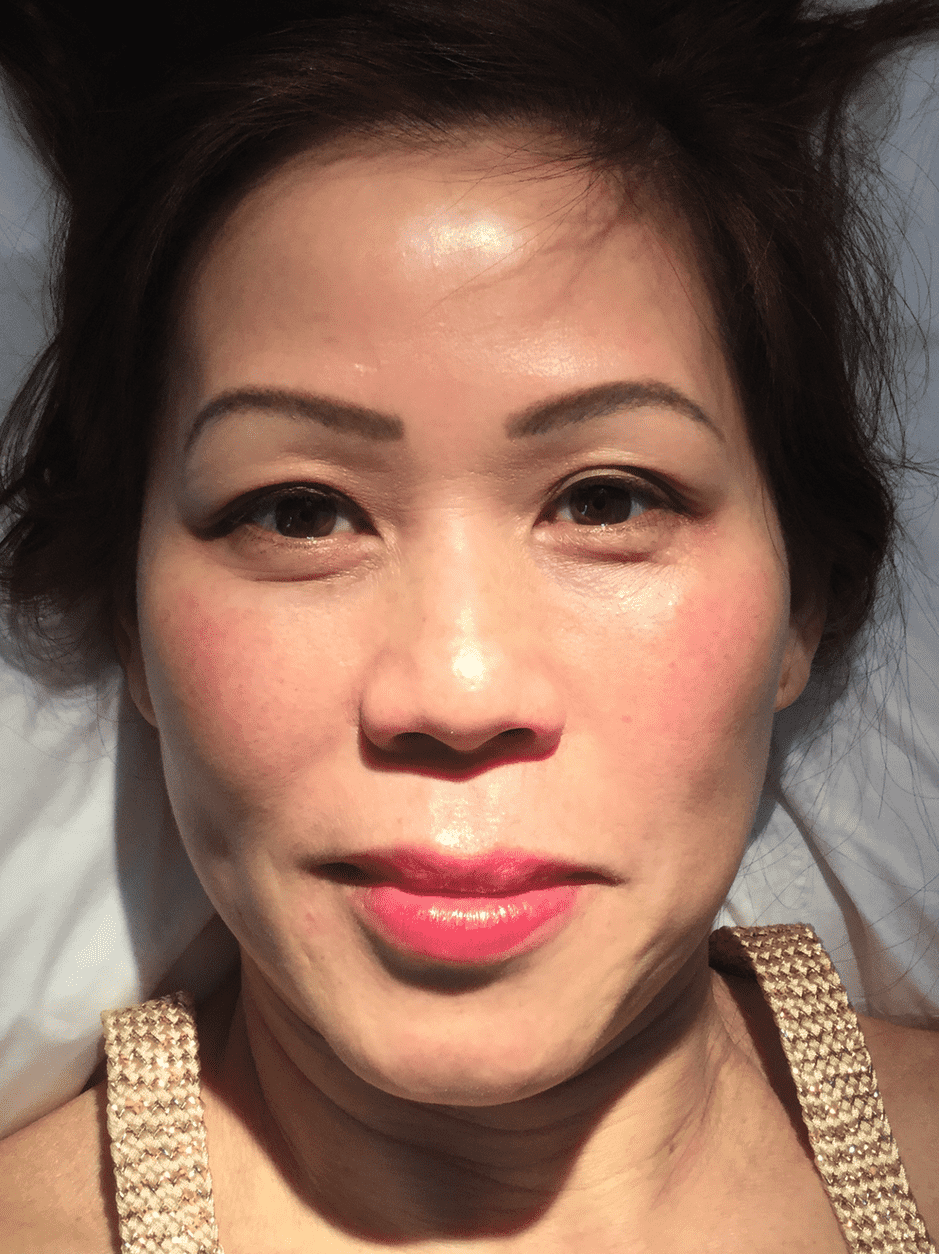
Advantages:
The effectiveness of CO₂ laser treatment has been proven over many years and compared with other devices. When performed by an experienced practitioner, it can work well on all skin types. Results are long-lasting (often over a year), with new collagen continuing to be produced for up to three months after the treatment.
Specific target areas can be treated with precision, and there is no visible border or significant colour difference between treated and untreated areas. Compared with surgery or phenol peel treatments, the downtime is relatively short (around 5 days).
Patients can usually return to their normal daily routine after the third day. When the doctor’s recommendations are followed carefully, the risk of complications is minimal. The treatment is almost painless, with discomfort usually described as similar to a mild sunburn.
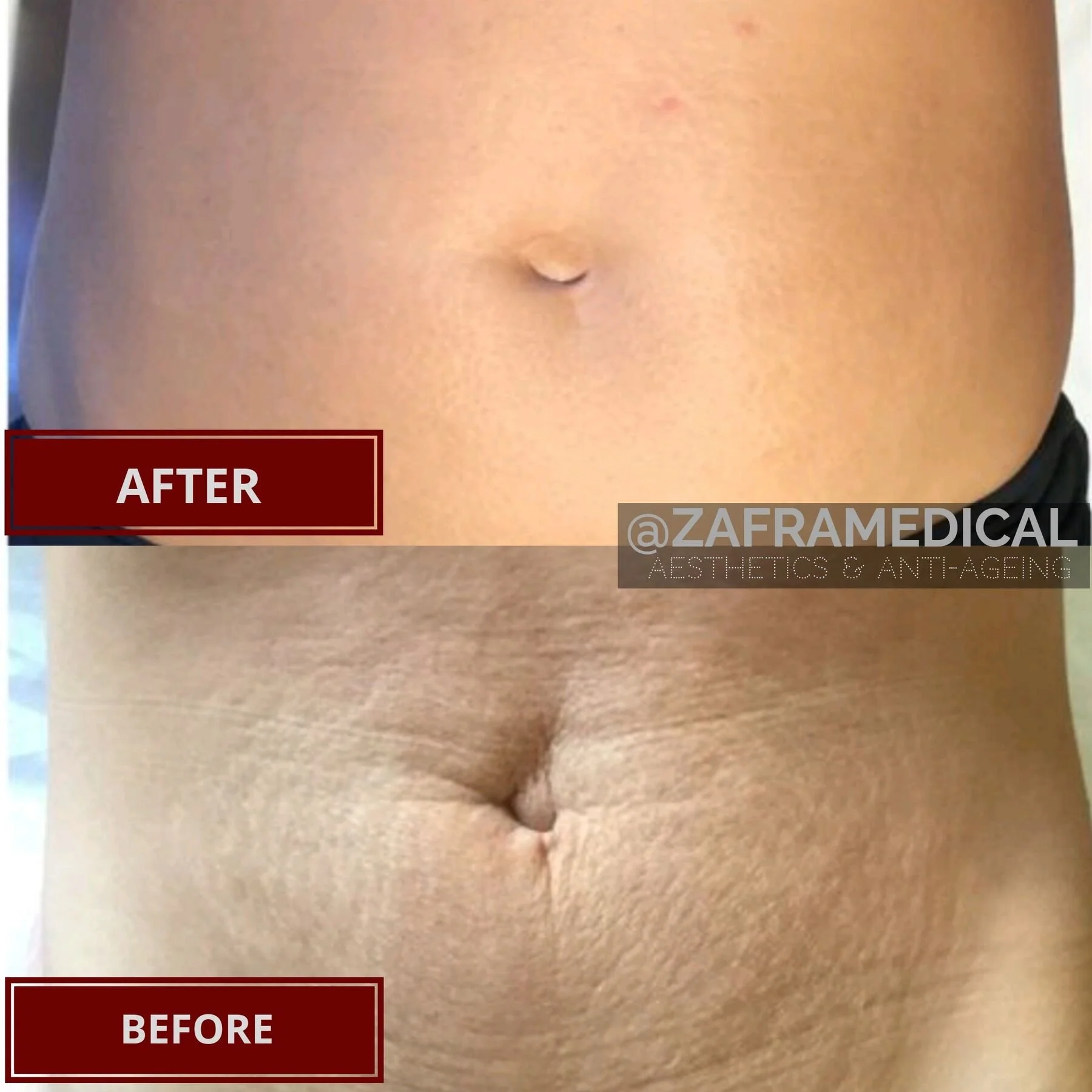
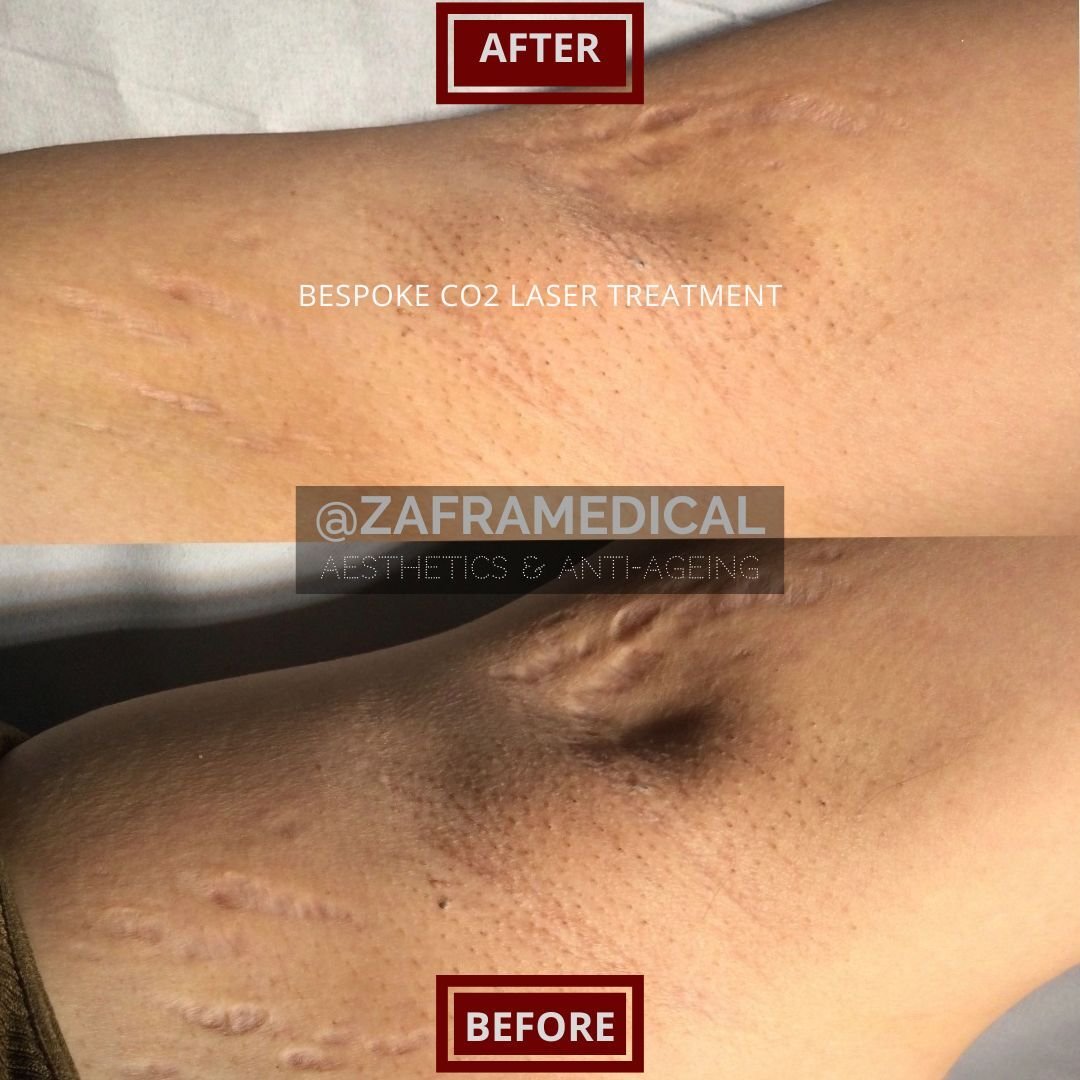
LASER RESURFACING (CO₂ Fractional)
Fractional CO₂ laser resurfacing is an advanced rejuvenation treatment that uses precise thermal energy to remove micro-layers of damaged skin while stimulating collagen production. This controlled resurfacing improves texture, reduces pigmentation, softens lines, and enhances overall clarity for smoother, brighter, more refined skin.
Indications in aesthetics:
•Improving uneven texture and skin tone
•Softening fine lines and early signs of ageing
•Reducing pigmentation and sun damage
•Improving the appearance of scars and old marks
•Refining pore appearance and textural irregularities
•Enhancing overall skin smoothness and luminosity
Treatment Details
Number of sessions: 1-3 depending on concerns
Duration of results: Around 18 months (varies per client)
Suitable for: Texture improvement, pigmentation, enlarged pores, scars, fine lines
Not suitable for: Pregnancy, breastfeeding, active infections, very tanned skin, heat-sensitive conditions
Treatment FAQ
Procedure time: Approximately 60 minutes
Visible results: Initial improvement in 3-4 weeks
Pain level: Mild to moderate heat sensation
Recovery: Redness and light peeling for several days depending on skin sensitivity
After Treatment FAQ
Avoid heat, saunas, steam rooms, and intense exercise for 48 hours
Avoid retinol and active skincare for at least 1 week
Protect skin with daily SPF and avoid sun exposure
Do not pick or peel flaking skin
If you're interested to explore how Laser Resurfacing (CO2 Fractional) might work for you, book a free consultation via the link below:
All images used are for illustrative purposes only.
The above prices are only a guide, these may vary according to individual requirements and payment is due the day of the treatment or when a plan of treatments is agreed. Any procedure will only take place after a medical consultation, in which you will be asked to respond truthfully a record of your medical history and on the day of each procedure you will be asked to read and sign a consent form accordingly. Results and longevity varies from each individual, dependent on factors that not solely include age, genetics, skin type, medical history and lifestyle.