
MOLE REMOVAL

MOLE AND BENIGN SKIN LESION REMOVAL
First of all, it is important to understand what moles and benign skin lesions (BSL) are. They are essentially an overgrowth of cells on the skin, where these cells produce an excess of different types of collagen as well as pigment.
The skin also contains hair follicles and small blood vessels called capillaries, which can grow together with moles and benign skin lesions. This is why benign skin lesions can appear in different shapes, sizes, and colours, and may sometimes have hair growing from them.
THE GROWTH OF MOLES AND BENIGN SKIN LESIONS
The cause of the overgrowth is multifactorial; it can be genetic, hormonal, related to UV exposure, or part of the natural ageing process.
A genetic example can be the location of a mole that runs in the family, or moles that are present from birth.
Hormonal causes can often be seen during puberty or pregnancy, when benign skin lesions (BSL) tend to grow. UV exposure, such as sunlight or tanning beds, stimulates the skin to protect itself by producing more pigment, which can deposit in the moles and may not fade away.
The natural ageing process itself can also cause gradual growth due to the cumulative effect of collagen being deposited within the benign skin lesion.
THE IMPACT ON OUR HEALTH
Moles and benign skin lesions do not usually cause harm to our health. However, they may have an unusual appearance that we may not like, or they may be noticeable to others if located on certain areas of the face or body, which can affect self-esteem.
The most important consideration is that any skin lesion must be checked by a doctor before removal, so we can be clinically certain that it is benign in nature and not a cancerous lesion that would require NHS treatment.
Who can check your mole or skin lesion? It must be a doctor. A doctor has a university medical degree, specialised training, and years of clinical experience to recognise the difference between a benign lesion and one that may carry a risk of malignancy.
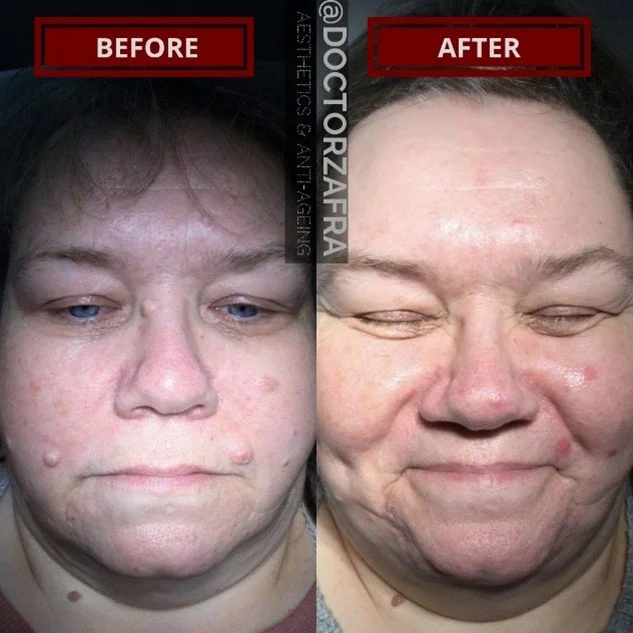
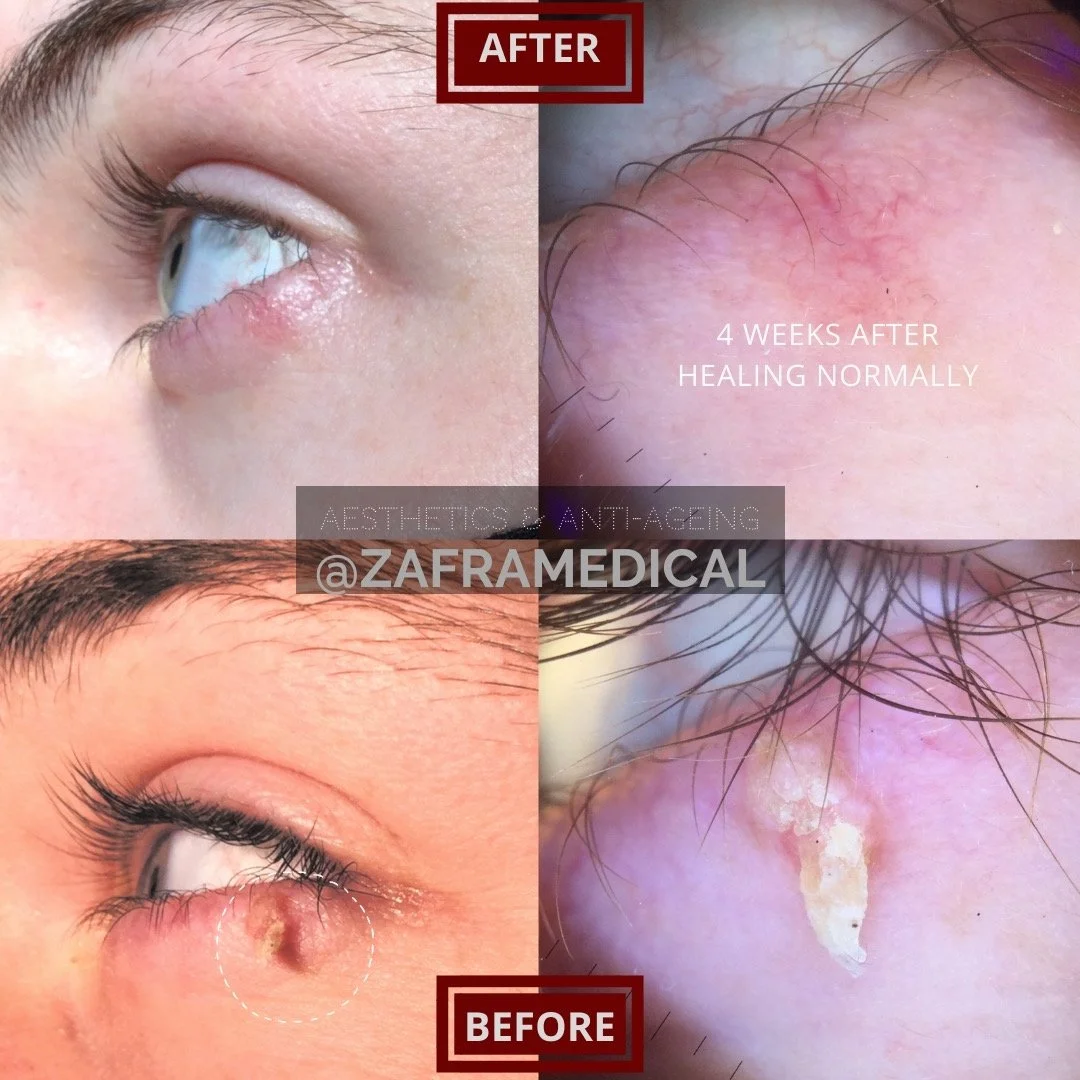
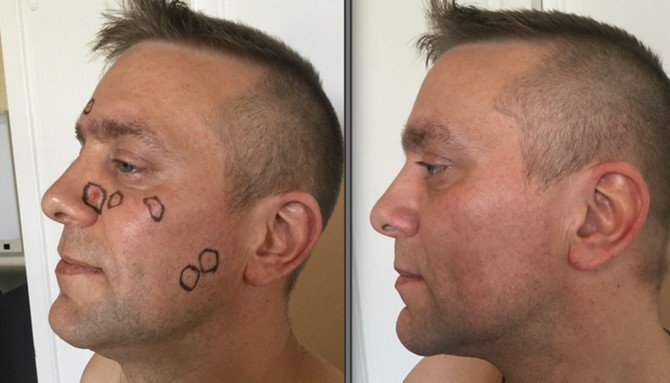
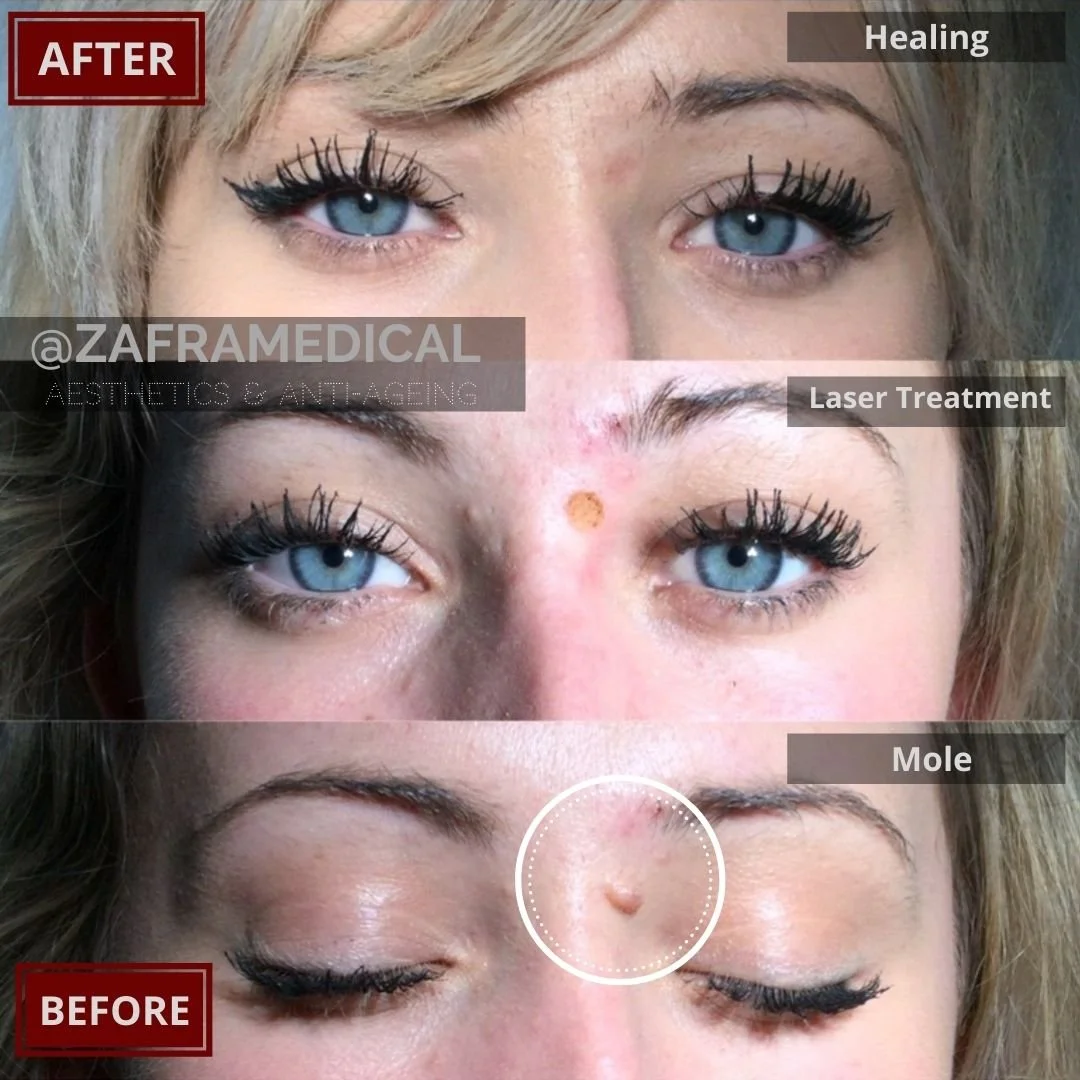
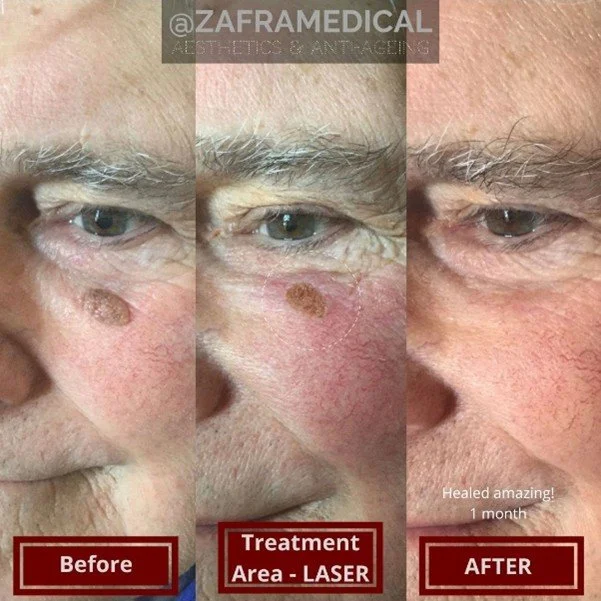
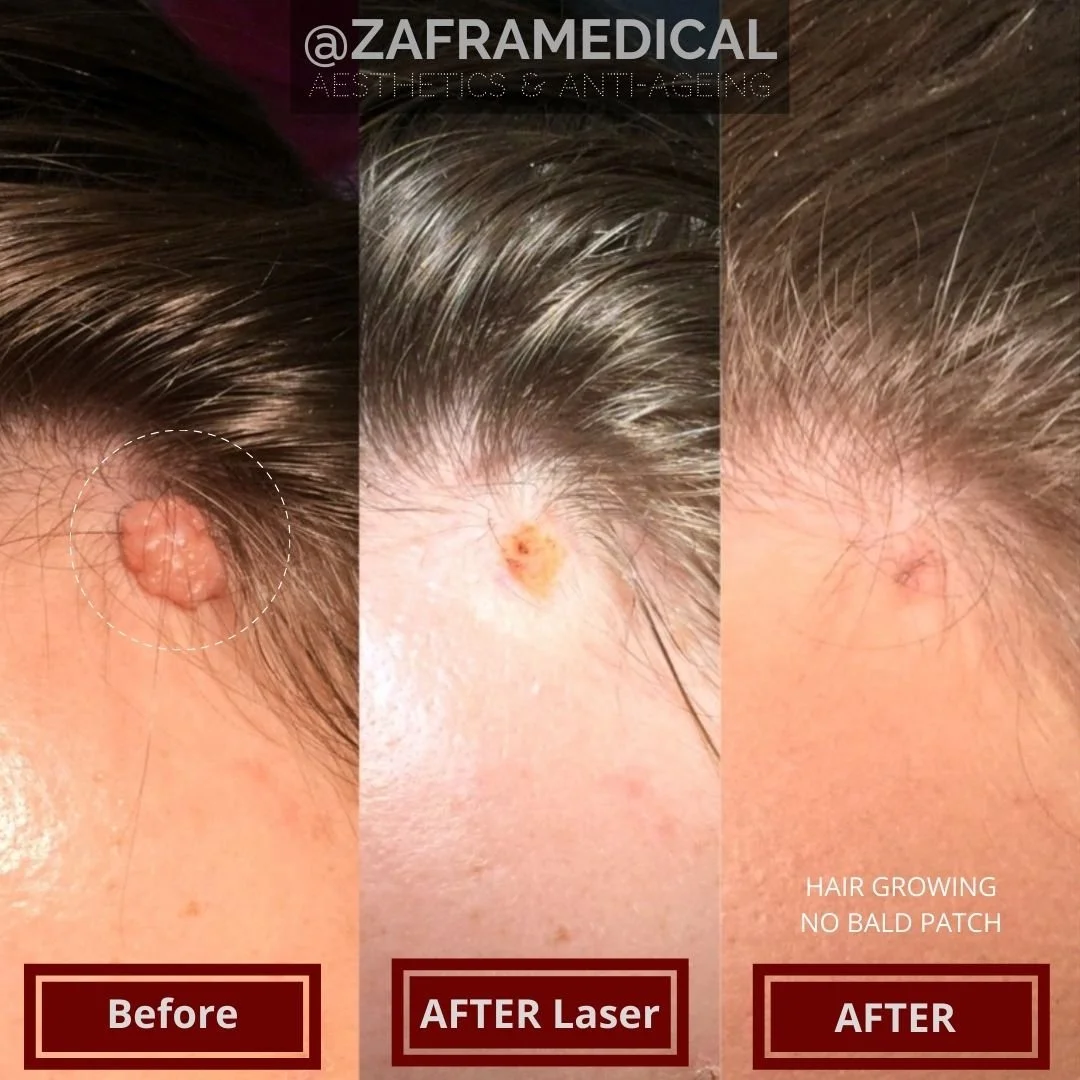
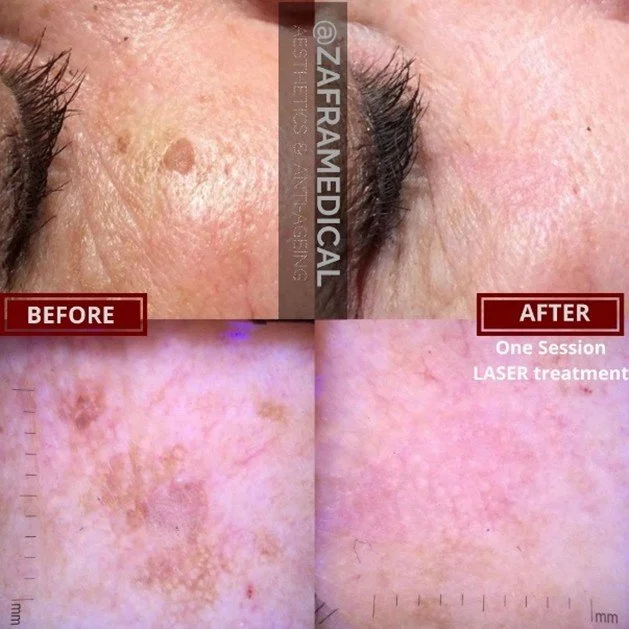
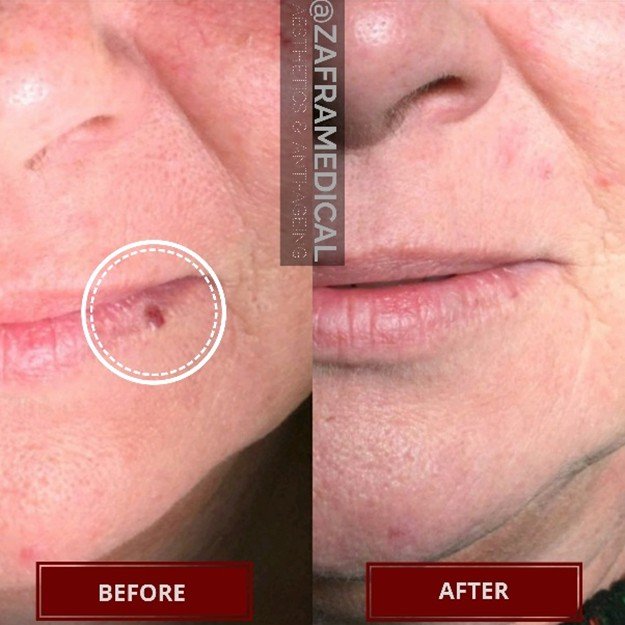
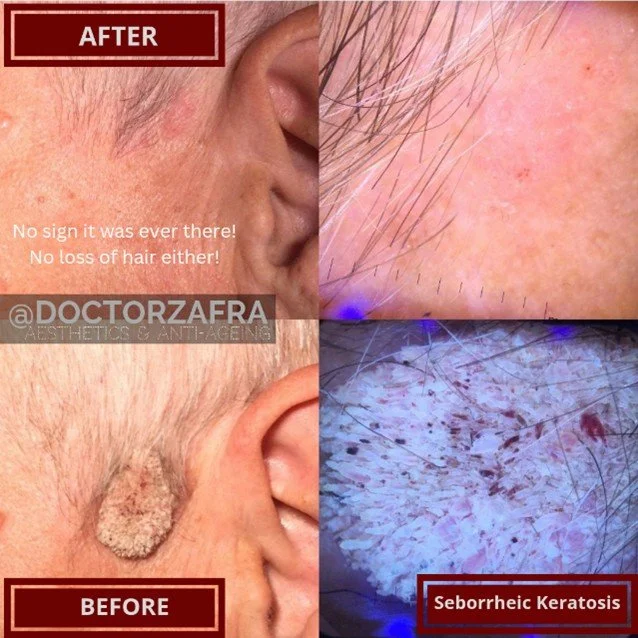
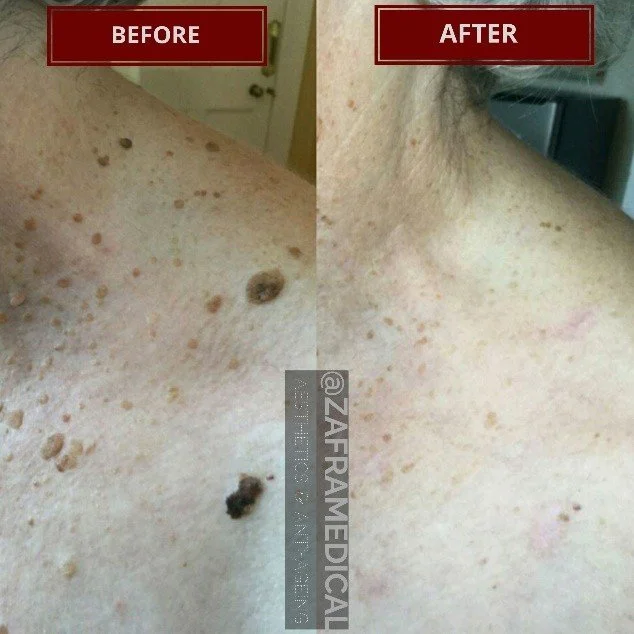
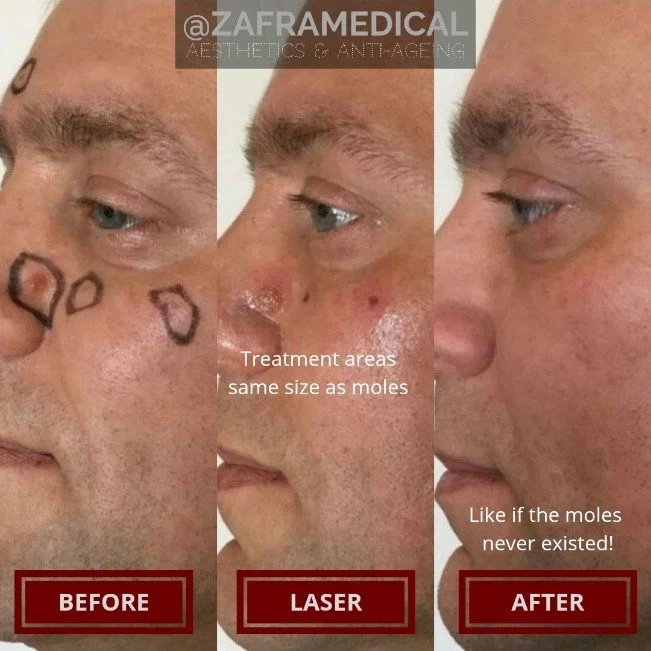
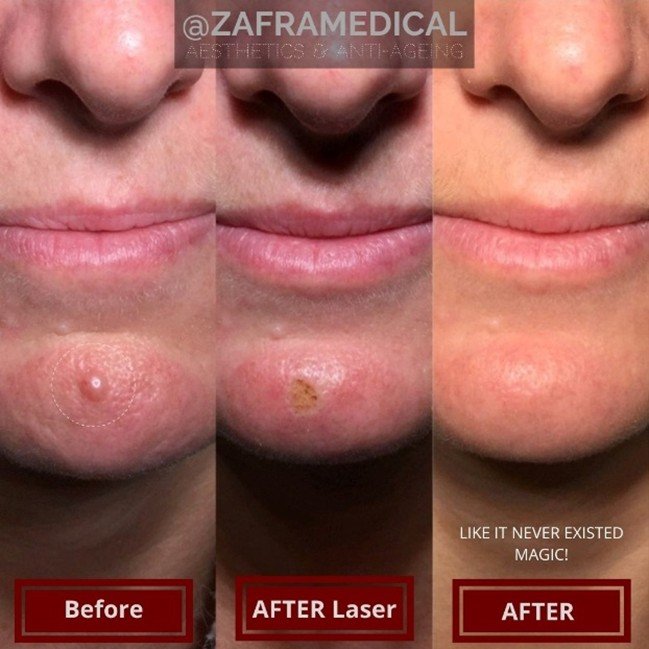
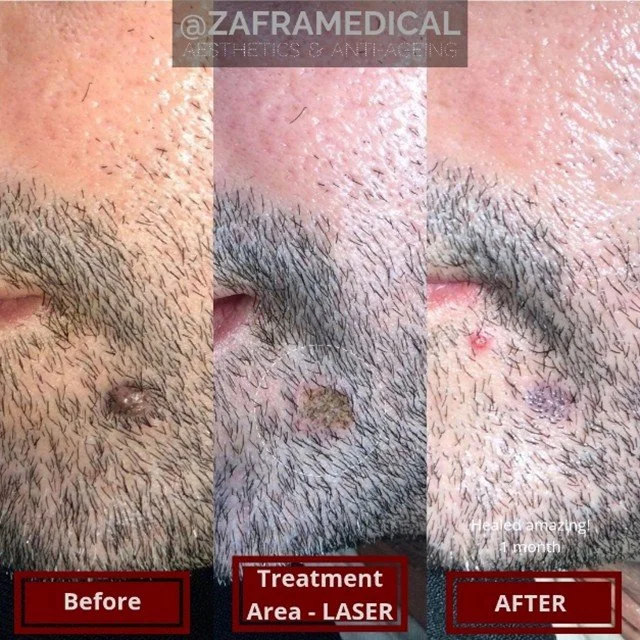
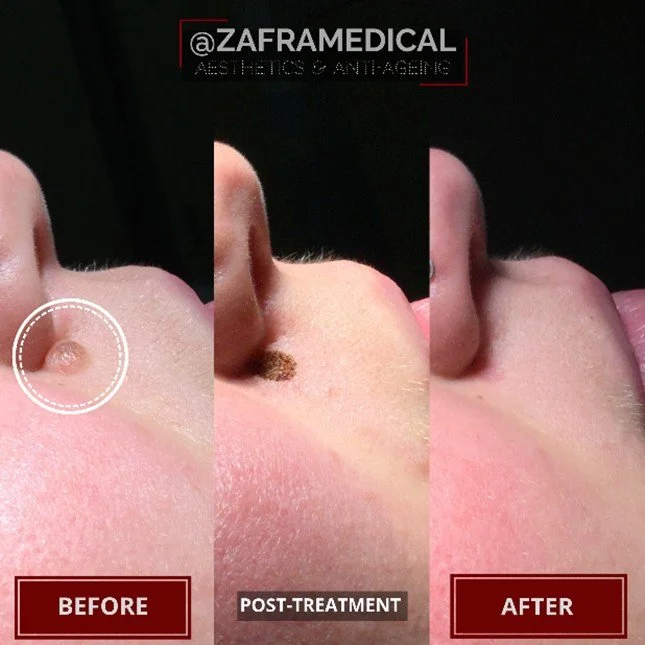
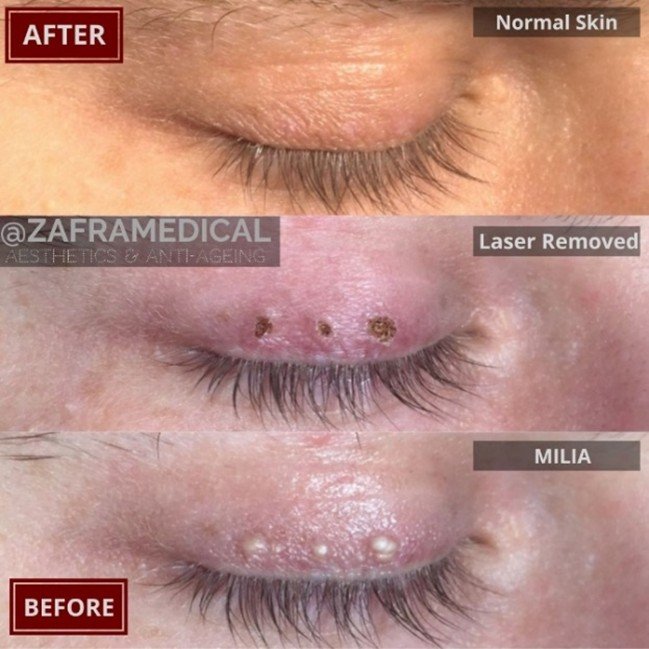
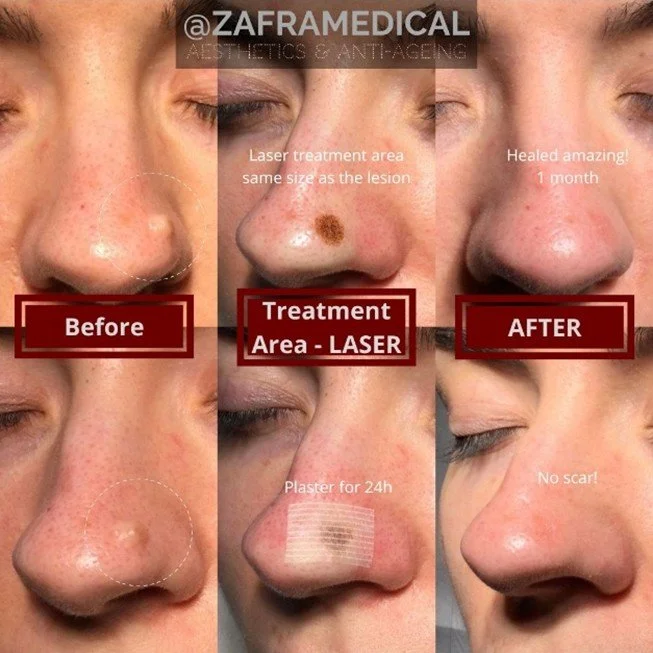
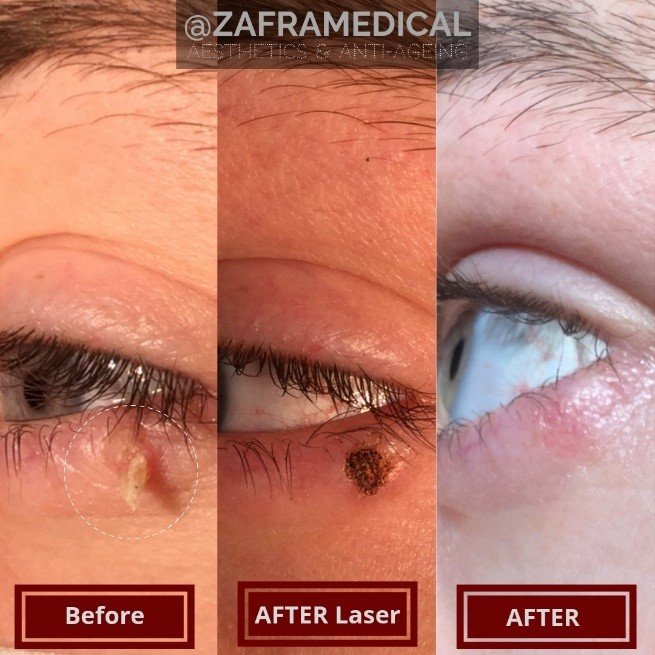
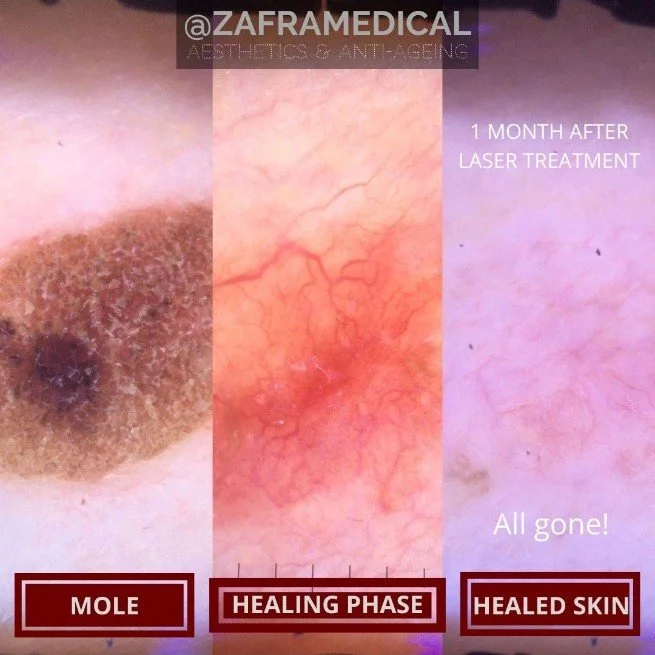
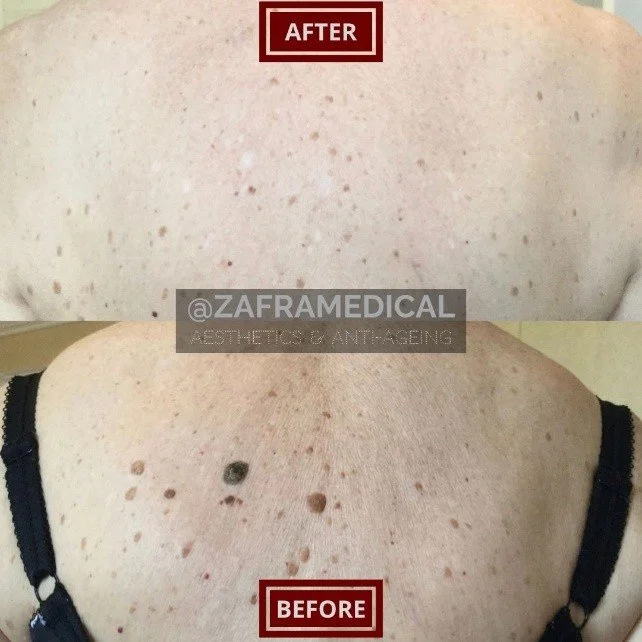
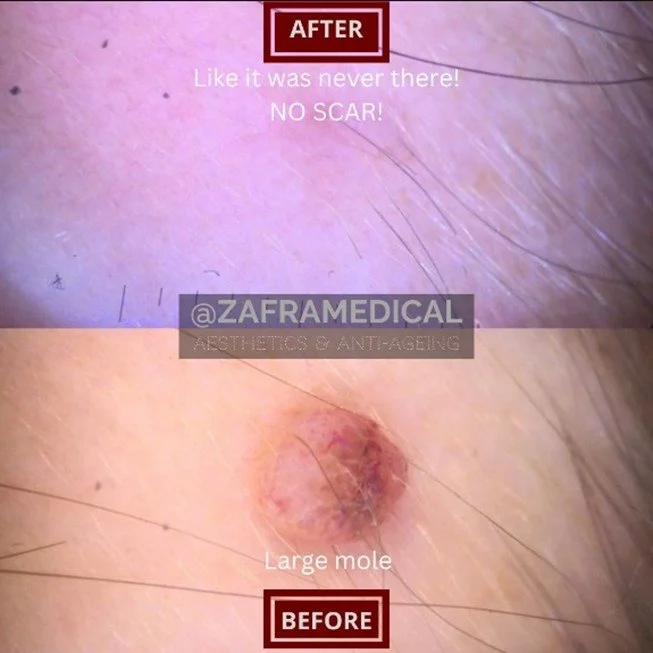
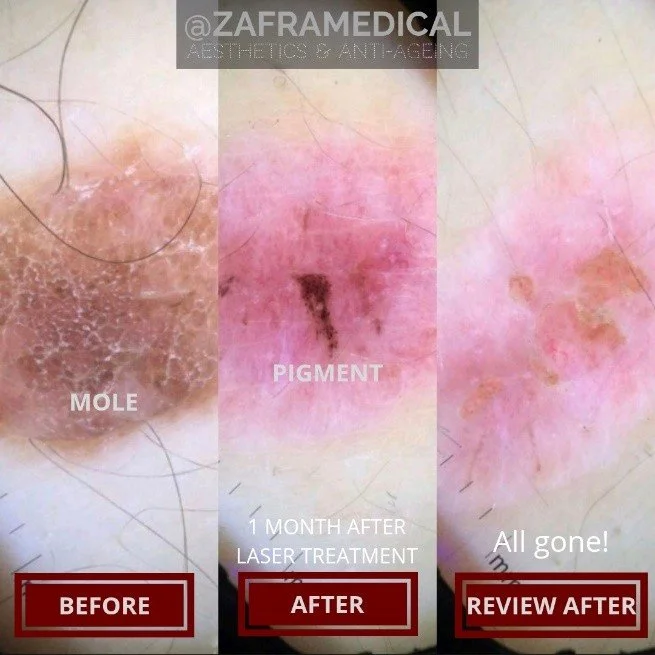
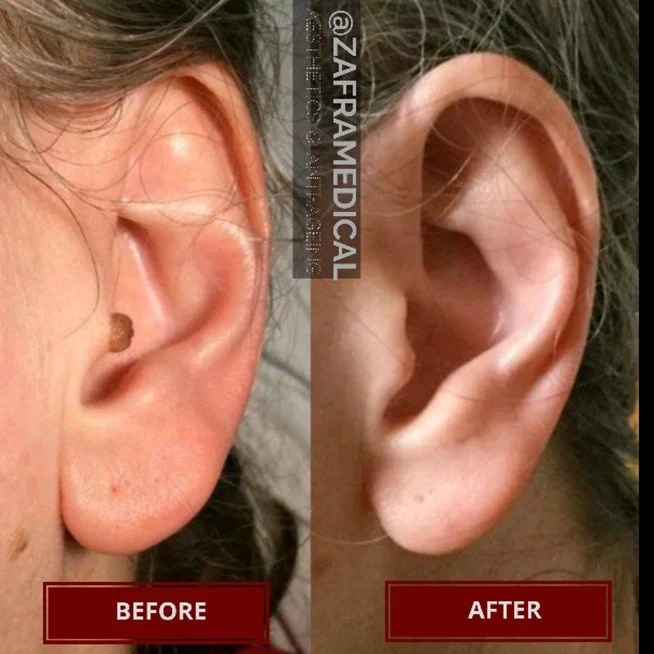
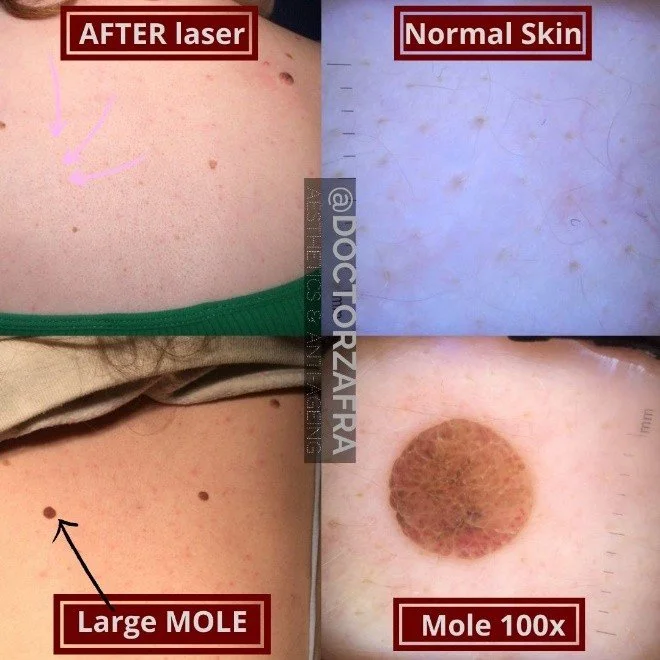
Dr Zafra’s expert results can be clearly appreciated in these before and after pictures of one of his patients. You will note various types of moles removed in one session, review date for the after picture was a month after laser treatment.
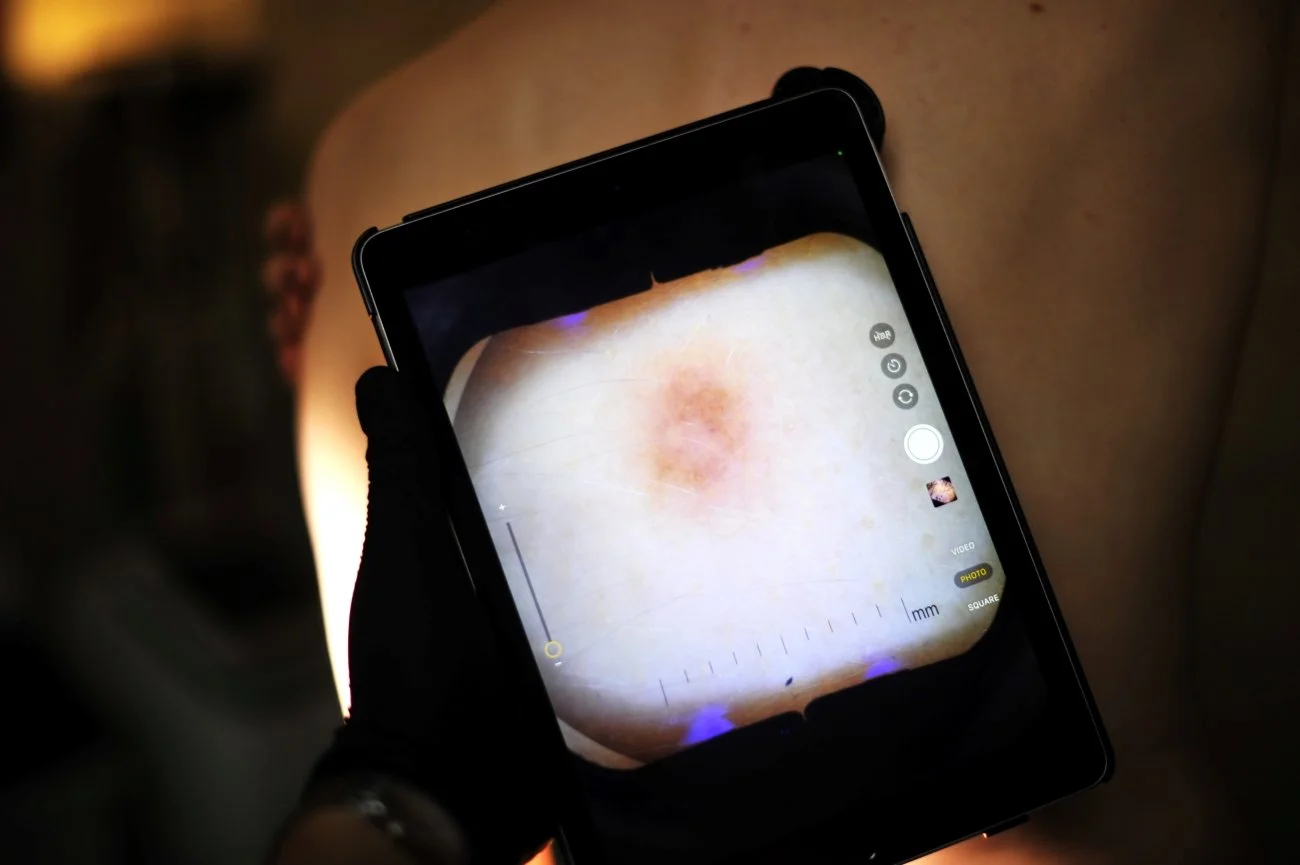
REMOVAL OF BENIGN SKIN LESIONS AND MOLEs
Only benign skin lesions and moles are safe to remove. Removal methods have advanced over the years. In the past, the only method available was surgical removal (cutting the lesion off), which often resulted in a larger scar. Cryotherapy (freezing the lesion) can remove small and pedunculated lesions, but it is extremely unlikely to remove flat or pigmented lesions effectively. Electrosurgery is efficient at removing skin lesions, but it also carries a higher risk of scarring.
Laser methods have significantly improved treatment options. There are many different types of lasers. Some lasers, such as IPL and YAG lasers, can remove only the coloration by breaking down the pigment. Others, such as Erbium and CO₂ lasers, can remove the structure of the lesion by vaporising the tissue. Laser treatments are generally more comfortable and often offer better cosmetic results with a lower risk of scarring compared to the traditional methods described above.
The selection of the most appropriate laser treatment depends on the clinical assessment of each individual patient by Dr Zafra, who is an expert in this field. At Zafra Medical, we have multiple lasers and treatment options available, so you can feel confident that we will be able to provide the most suitable treatment for you.
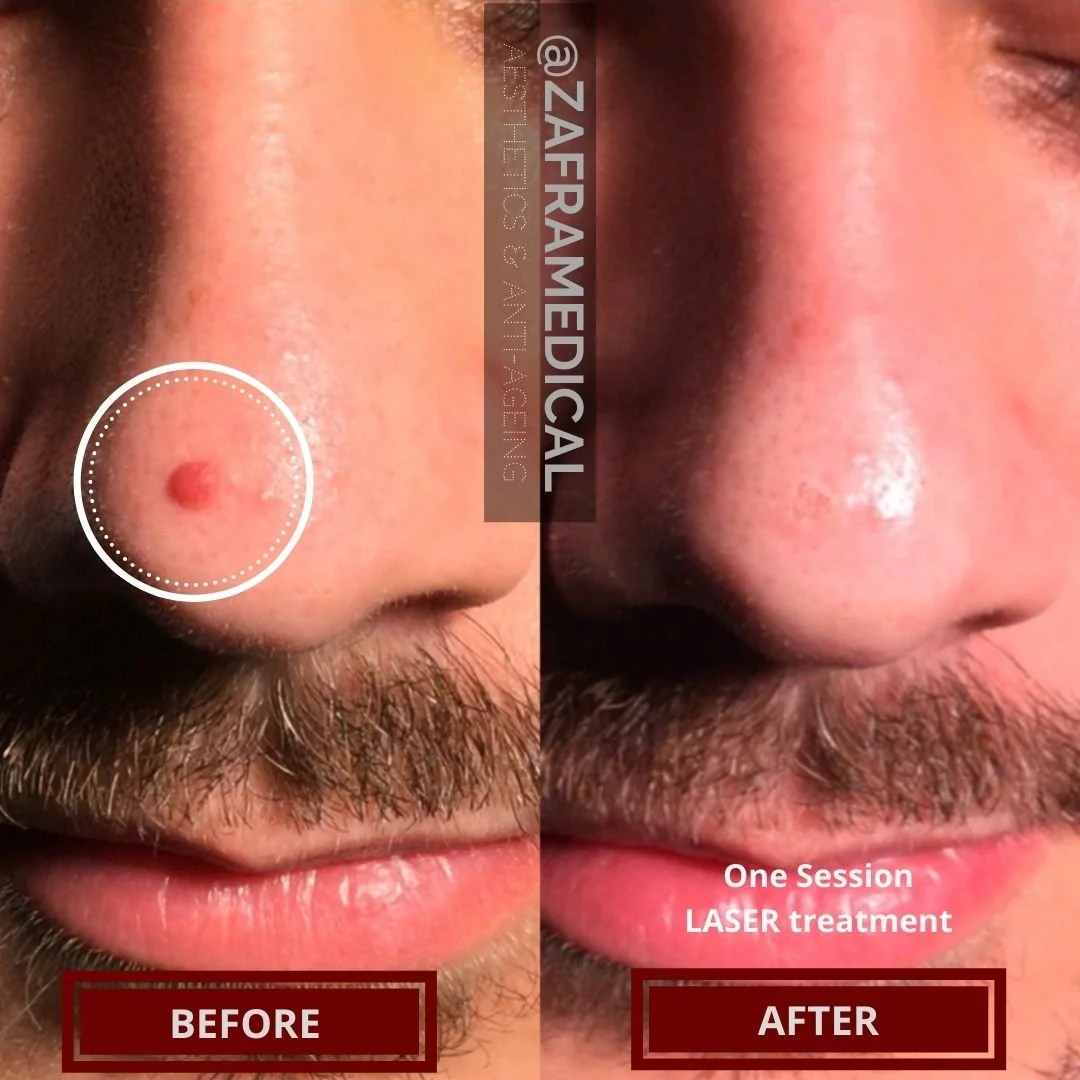
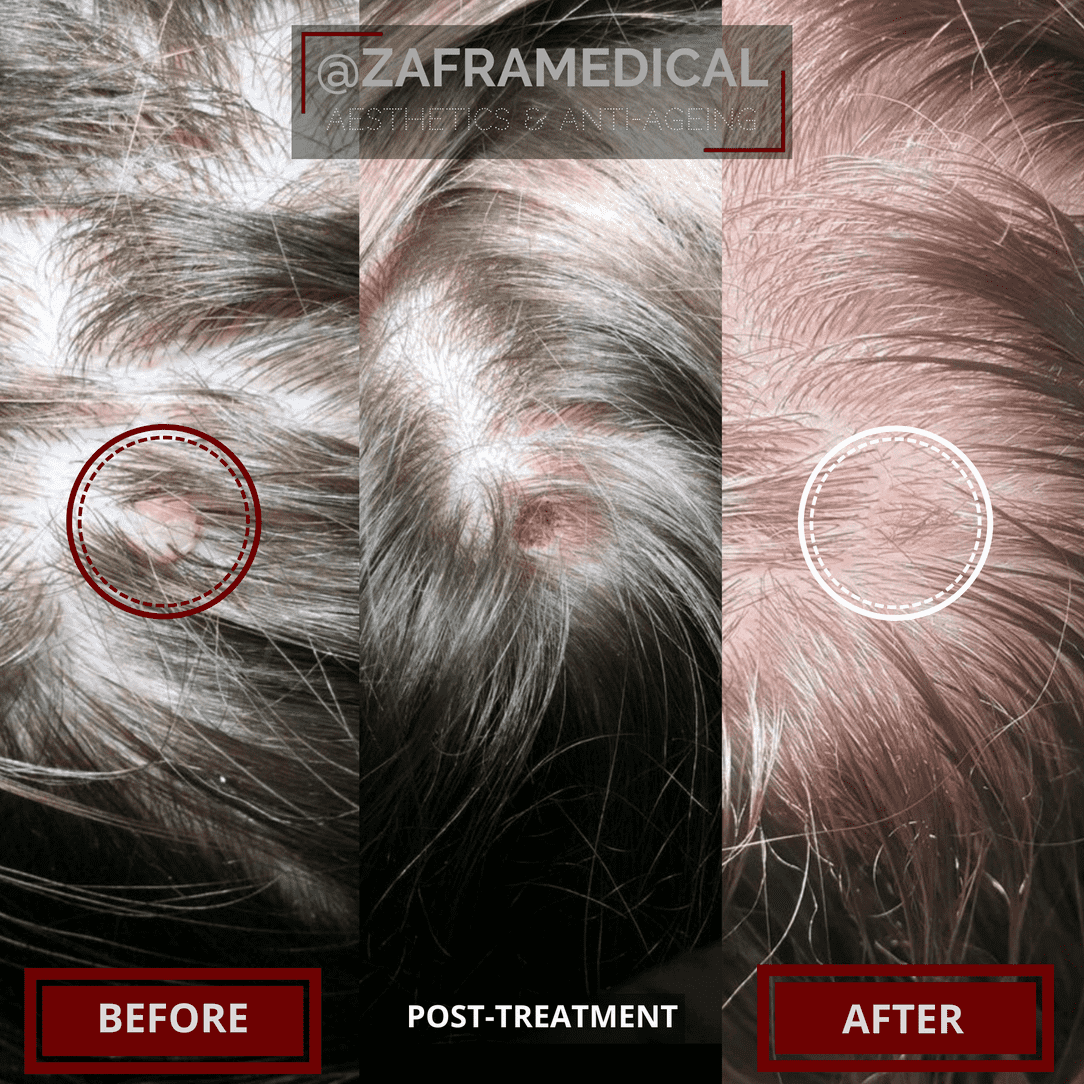
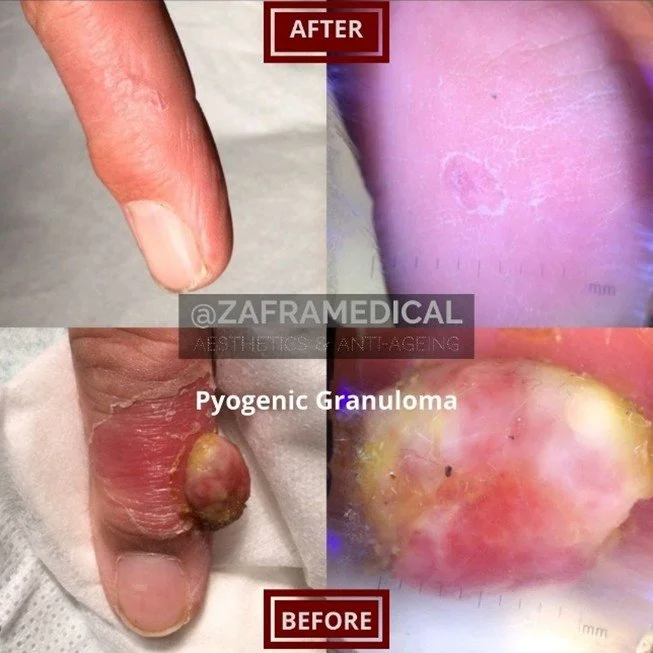
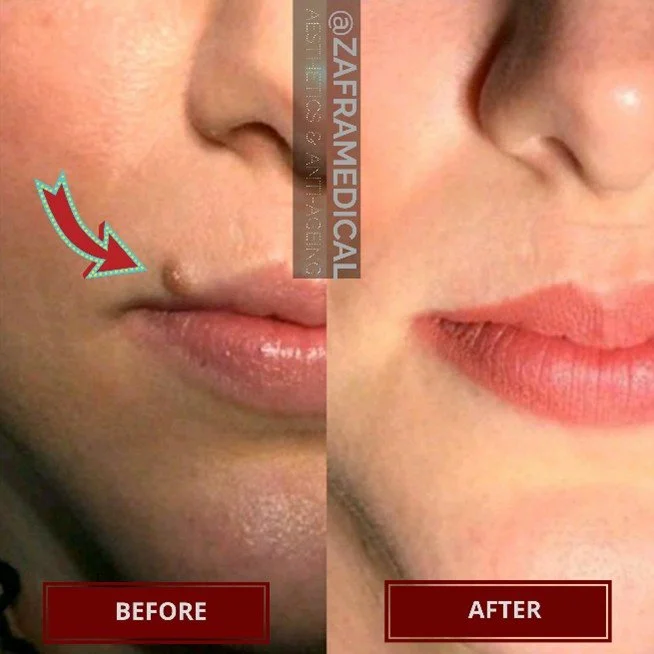
Other skin lesions we are able to treat are:
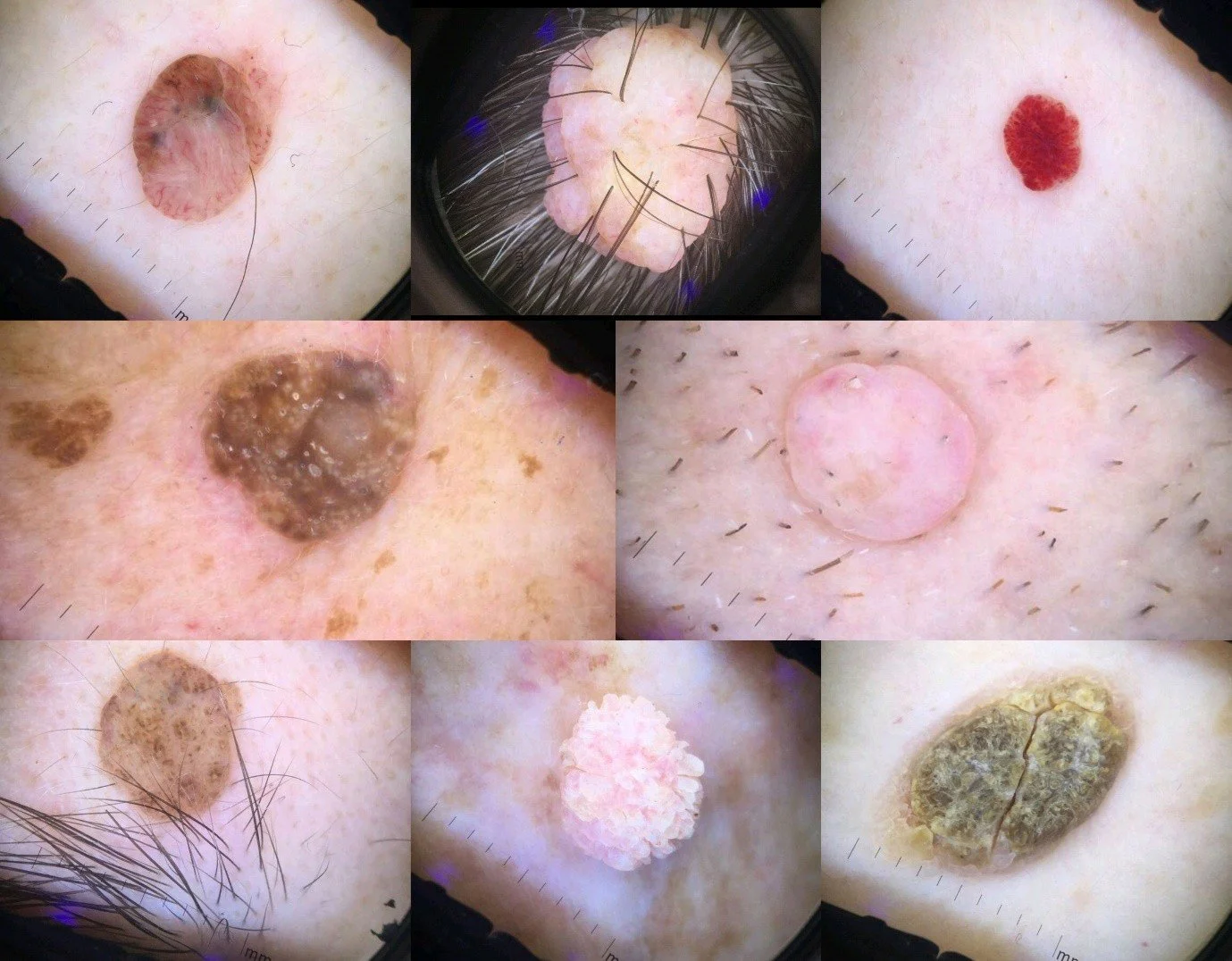
Seborrheic Keratoses: Raised, waxy, or wart-like growths that are often brown or black.
Cherry Angiomas: Small, red or purple spots, usually appearing on the torso.
Milia: tiny white or yellowish cysts that form when dead skin cells and keratin get trapped under the skin's surface, appearing as small bumps
Dermatofibromas: Firm, small, red-brown bumps, often found on the legs after traumatic injuries like thorn wound or hair plucking.
Stucco Keratosis: Small, dry, white-grey papules found on feet or ankles.
Xanthelasma: Yellow-orange, cholesterol-rich, flat patches or papules on the eyelids.
Common Non-Benign or Other Specific Lesions
Actinic Keratosis: Rough, scaly, precancerous patches caused by sun damage.
Warts: Benign growths caused by viral infection.
Skin Tags (Acrochordons): Small, soft, skin-coloured, or pedunculated growths commonly found on the neck, axilla, and groin, also caused by a viral infection.
THE PROCESS OF REMOVAL OF MOLES AND BENIGN KIN LESIONS WITH LASER AT ZAFRA MEDICAL
First, you will need to attend a face-to-face medical consultation with Dr Zafra, who will clinically assess your skin lesion and explain the available treatment options.
Virtual consultations are also available; however, they limit the ability to properly assess the skin lesion. For this reason, they are mainly intended for information purposes, and a second face-to-face consultation may still be required to complete a full clinical assessment.
We therefore strongly recommend attending the consultation in person. The first consultation is FREE, but if a second consultation is required without proceeding with treatment, it will be charged at the standard price of £249 for up to 30 minutes.
LASER TREATMENT
After the first consultation, if the treatment is viable, you will be booked in for treatment.
Treatment day: There are no specific products or actions to be done previous to the procedure as long as the area has not been accidentally damaged or intensely exposed to sunlight or tanning bed.
Details of the procedure will be explained once again and asked for signed consent to carry out the treatment and take clinical pictures.
The area will be cleaned and disinfected to ensure an aseptic procedure. A numbing agent (lidocaine) will be injected on the base of the lesion to reduce the discomfort.
The laser will be set to be precise and focused on the lesion; it can take from seconds to a couple of minutes per lesion to be removed.
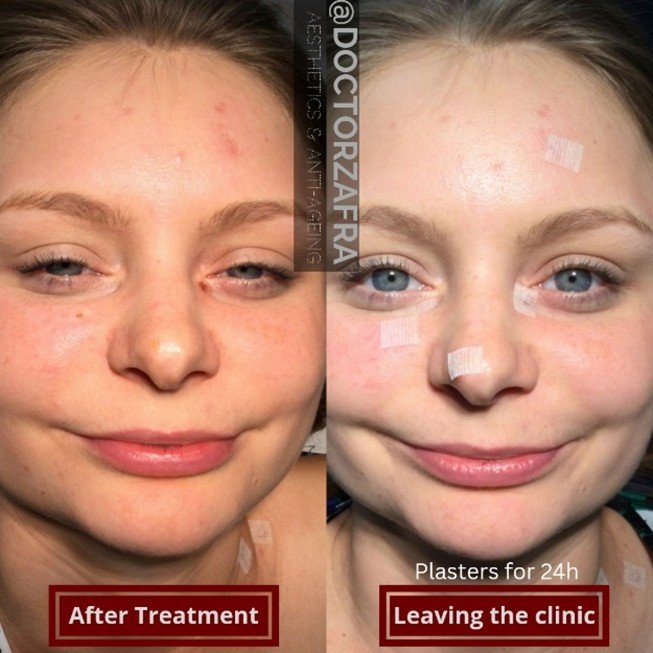
After the removal of the lesion, the area will be covered with a plaster, aftercare instructions will be explained and emailed with a review date will be scheduled. Payment in full is done on this day.
INVESTMENT
If you're interested to explore how Removal of Moles/Lipoma and Cysts might work for you, book a free consultation via the link below:
AFTERCARE
You will have a small plaster applied after the treatment, which you can remove the following day. Normal wound care instructions will be explained to you. We recommend keeping the area clean and dry. You can shower normally, gently patting the area dry and being careful not to knock off the scab. The scab will usually remain for one to two weeks on the face and three to four weeks on the body. Once the scab falls off, you may notice a red mark which can occasionally appear slightly indented. Don’t worry, this is part of the normal healing process. The skin will gradually fill in and the colour will slowly fade to match your natural skin tone over the following weeks. It is particularly important that once the scab falls off, you apply SPF 50 sunscreen to any areas exposed to direct or indirect sunlight
PRODUCTS WE RECOMMEND:
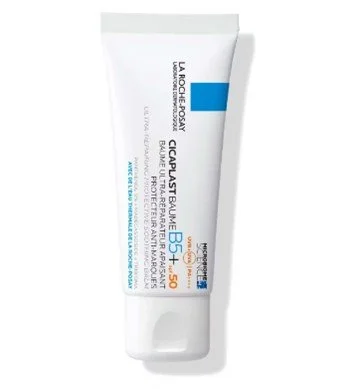
Moisturizer and healing cream after the third day and especially after the scab falls off. There are various presentations of the product CICAPLAST of La Roche Posay.
Sun exposed area or during the day: CICAPLAST + SPF
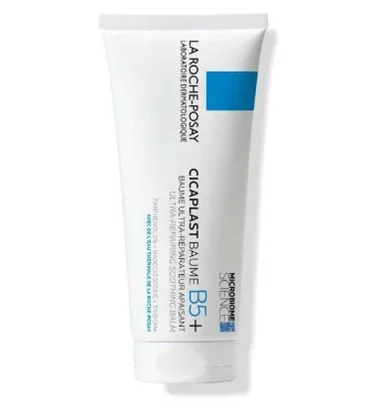
Not sun exposed area or at night: CICAPLAST
REVIEW APPOINTMENT
On the day of your treatment, you will be booked for a review appointment one to two months later. You can always arrange an earlier appointment if you have any concerns. The purpose of the review appointment is to confirm that you are happy with the treatment results. On rare occasions, some pigment may persist or the skin may over-heal. If this happens, Dr Zafra will assess the area and guide the healing process. Our results over the years have consistently shown excellent outcomes, and any review appointment is free of charge.
In a small number of cases there might be a bit of colouration still visible or minor over healing of the skin, don’t worry this will be taken care of by Dr Zafra by lasering the area which is usually a very tiny dot and it is all included in the cost of the treatment. The recurrence after mole removal with other methods is about 10%, with laser it is less, so if after the review appointment (months or years later) you notice colouration or raising of the area feel free to book in to be assessed and it will be treated on the day at no extra cost as we offer our patients a life time review guarantee.
RISKS
Fortunately, laser treatments carry minimal risks compared to other removal methods. Any injection or procedure involving the skin carries a small risk of infection; however, at Zafra Medical we have never experienced a treatment-related infection, so you can feel reassured. There is always a possibility of scarring with any skin procedure. However, Dr Zafra’s technique and experience have consistently produced excellent results with minimal risk of scarring. In the rare event that a scar forms, it is usually smaller and flatter than the original benign skin lesion, meaning the cosmetic outcome is typically still an improvement.
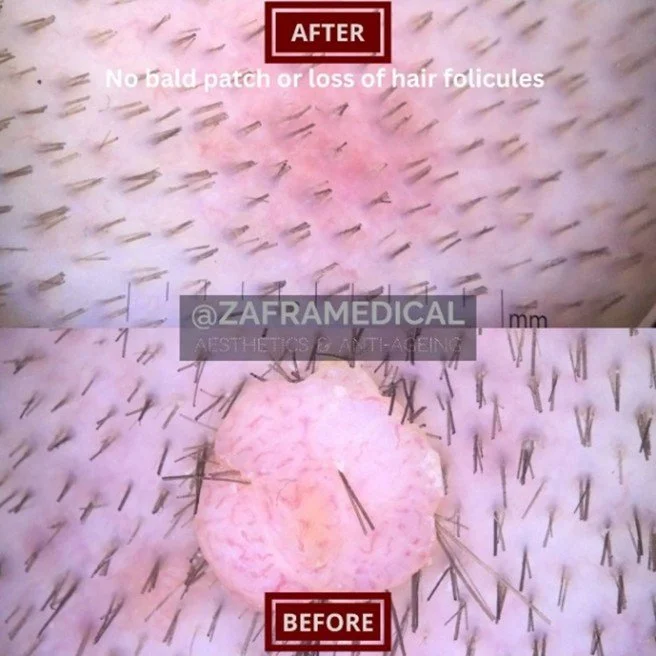
The risk of scarring is always a possibility; however, Dr Zafra’s technique and experience has proven amazing results of no scarring over the years. When there are BSL on the scalp or beard, you don’t need to worry about a bald patch, the laser will not harm the hair follicles and the hair will grow again as the skin heals. If there is any scar, the mark will usually much smaller and flat, so compared to the BSL in the balance it will usually be better.
All potential risks and expectations will be explained in detail during the FREE first consultation.
PATIENT’S BEFORE AND AFTER AT ZAFRA MEDICAL
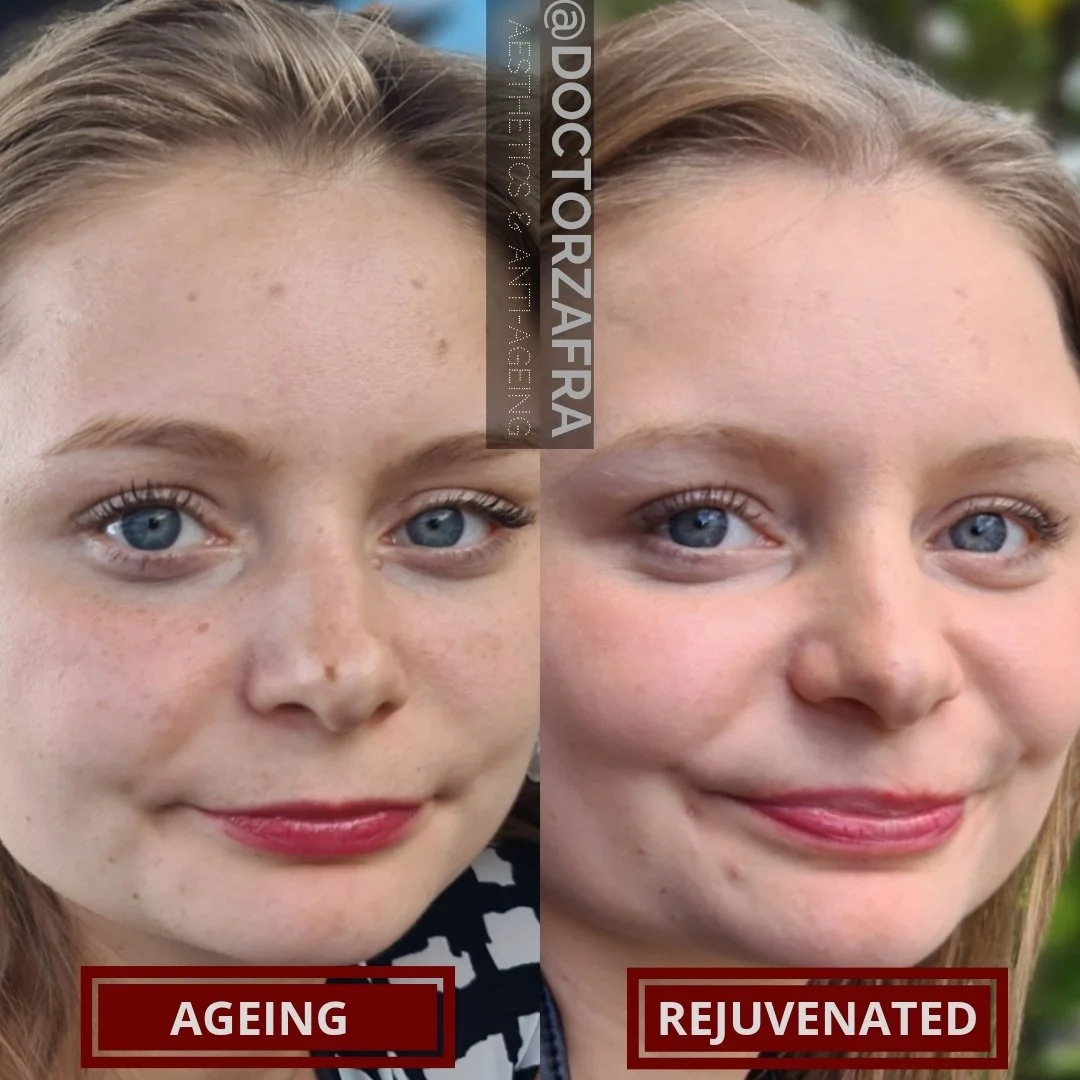
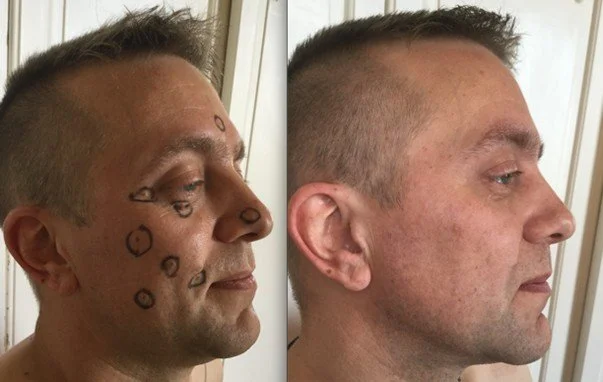
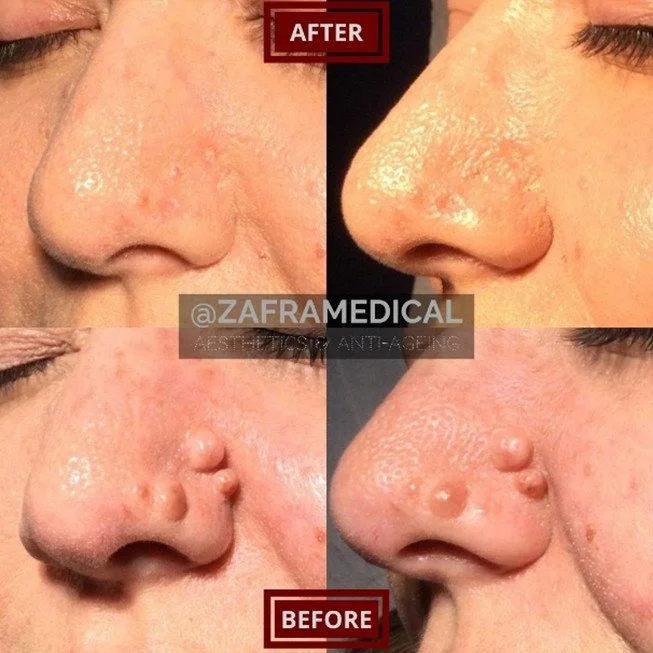
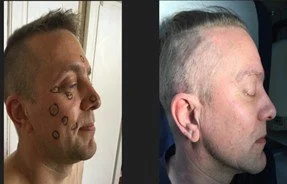
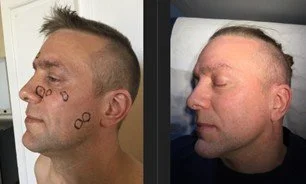
Below you will find a wonderful example of Dr Zafra’s expertise in removing multiple moles from a patient’s face in 2017. An image is worth a thousand words, and the before and after photographs clearly speak for themselves. We had the pleasure of seeing the patient again in 2026, allowing us to demonstrate how impressive the results remain even after many years. It is always rewarding to see patients return to us for their ongoing skin concerns and aesthetic goals.
An image is worth a thousand words, you will see the impressive results withstand the pass of time, with happy patients always returning to us for all their skin concerns and goals.
All images used are for illustrative purposes only.
The above prices are only a guide, these may vary according to individual requirements and payment is due the day of the treatment or when a plan of treatments is agreed. Any procedure will only take place after a medical consultation, in which you will be asked to respond truthfully a record of your medical history and on the day of each procedure you will be asked to read and sign a consent form accordingly. Results and longevity varies from each individual, dependent on factors that not solely include age, genetics, skin type, medical history and lifestyle.